How I Started Taking Care of My Heart Without Overthinking It
You don’t need a diagnosis to start caring about your heart. I didn’t—until my routine checkup showed my lipid levels were creeping up. That moment changed how I saw everyday choices. What I learned wasn’t about strict diets or quick fixes, but simple, consistent habits that support long-term body maintenance. This is how I took small steps toward better lipid regulation—no gym obsession, no miracle pills, just real, doable changes anyone can try. It wasn’t about perfection; it was about progress. And the most surprising part? The changes I made didn’t feel like sacrifices. They felt like upgrades—small shifts in how I ate, moved, rested, and thought, all adding up to something meaningful. My journey began not with fear, but with curiosity, and it grew into a quiet commitment to myself.
The Wake-Up Call: When "Fine" Wasn’t Enough
For years, I considered myself healthy. I didn’t smoke, I rarely drank, and I wasn’t overweight. I walked the dog daily and managed stress as best I could. I felt fine—until my annual physical revealed that my total cholesterol and triglycerides were above the optimal range. My doctor didn’t sound alarmed, but she did say, "We should pay attention to this." That phrase stayed with me. I hadn’t felt any different, yet my body was sending a signal I had ignored. It wasn’t a crisis, but it was a warning—one that came not from how I felt, but from what the numbers showed.
That experience taught me an important truth: feeling fine doesn’t always mean everything is fine. Lipid regulation refers to how your body manages fats in the bloodstream, including cholesterol and triglycerides. Cholesterol is essential—it helps build cells and produce hormones—but when levels of certain types rise too high, especially low-density lipoprotein (LDL), it can build up in artery walls, increasing the risk of heart disease over time. Triglycerides, another type of fat, store excess energy from your diet. When consistently elevated, they contribute to hardening of the arteries or thickening of the artery walls, which can restrict blood flow.
What surprised me most was learning that lipid imbalances often develop silently. There are usually no symptoms until significant damage has occurred. You won’t feel your arteries narrowing. You won’t notice plaque forming. That’s why routine blood tests are so valuable—they offer a window into your internal health before problems become emergencies. My doctor explained that even mild elevations, if left unchecked, could lead to complications decades down the line. But she also emphasized that early action makes a difference. This wasn’t about panic; it was about responsibility. Just as you maintain a car with regular oil changes, your body benefits from consistent care—preventive, not reactive.
The realization shifted my mindset. Instead of seeing my blood results as a personal failure, I began to view them as useful information. I wasn’t sick, but I wasn’t as protected as I thought. And that gap—between feeling okay and being truly healthy—was where I could make changes. I decided to focus not on drastic overhauls, but on sustainable habits that supported my body’s natural balance. I wanted to act before I needed medication, not because I feared illness, but because I valued long-term well-being.
Myth-Busting: What I Thought I Knew (But Was Wrong)
Before my checkup, I believed a few common myths about heart health and fats. I thought all fat was bad, that only older people needed to worry about cholesterol, and that if something was wrong, I’d feel it. I was wrong on all counts. These misconceptions nearly kept me from taking action sooner. Understanding the truth made all the difference.
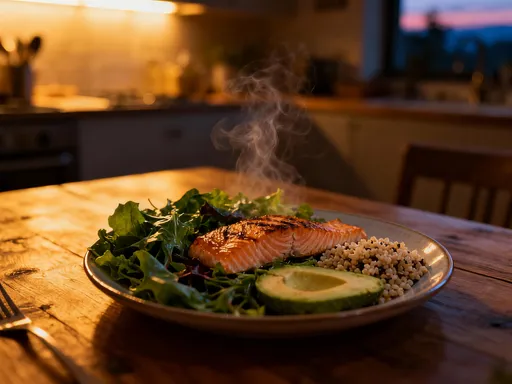
One of the biggest myths is that dietary fat equals body fat or high cholesterol. In reality, your body needs fats to function—especially healthy ones. The key is knowing which fats support heart health and which can harm it. Saturated and trans fats, found in processed foods, fried items, and some animal products, can raise LDL (often called "bad" cholesterol). But unsaturated fats—like those in avocados, nuts, seeds, and olive oil—can actually improve your lipid profile by increasing HDL ("good" cholesterol) and lowering triglycerides. I learned that eliminating fat wasn’t the answer; choosing the right kinds was.
Another myth I believed was that heart issues only affect older adults. But heart disease is the leading cause of death for women over 50, and risk factors often begin much earlier. Lifestyle choices in your 30s and 40s—what you eat, how you move, how you manage stress—lay the foundation for how your heart ages. Waiting until you’re older to make changes means you might already be behind. The good news? The body responds well to positive changes at any age.
Perhaps the most dangerous myth is that you’ll know if something’s wrong. High lipid levels don’t cause symptoms. You won’t feel tired, dizzy, or short of breath just because your cholesterol is elevated. That’s why it’s called a "silent" risk factor. By the time symptoms appear, damage may already be done. I realized that relying on how I felt was not enough. Regular checkups are essential, especially if you have a family history of heart disease, high blood pressure, or diabetes.
I also learned that lipids aren’t just about food. Stress, poor sleep, and lack of movement play significant roles. Chronic stress triggers the release of cortisol, a hormone that can increase blood pressure and raise triglyceride levels. Poor sleep disrupts insulin sensitivity and metabolism, making it harder for your body to process fats efficiently. And physical inactivity slows circulation, reducing the body’s ability to manage cholesterol. Heart health isn’t just what’s on your plate—it’s how you live your life.
Food Swaps That Actually Stick
When I first looked at changing my diet, I worried it would mean giving up everything I enjoyed. I imagined bland meals, constant hunger, and a life without flavor. But what I discovered was the opposite: small, thoughtful food swaps enhanced my meals while supporting better lipid regulation. The goal wasn’t restriction, but improvement.
One of the first changes I made was switching from refined carbohydrates to whole grains. I replaced white bread with whole grain, white rice with brown or wild rice, and sugary breakfast cereals with oatmeal topped with berries. Whole grains are rich in fiber, particularly soluble fiber, which plays a direct role in lowering LDL cholesterol. Soluble fiber binds to cholesterol in the digestive system and helps remove it from the body before it enters the bloodstream. This natural process reduces the amount of cholesterol circulating in your system. I didn’t feel deprived—instead, I felt fuller longer, and my energy levels became more stable throughout the day.
Another simple swap was changing my cooking fat. I started using olive oil instead of butter. Olive oil, especially extra virgin, is high in monounsaturated fats and antioxidants that support heart health. I used it for sautéing vegetables, drizzling over salads, and even baking. It added richness without the saturated fat found in butter. I also began reading labels and avoiding products with "partially hydrogenated oils," a source of harmful trans fats that raise LDL and lower HDL.
I reduced processed snacks by keeping healthier options on hand—raw almonds, air-popped popcorn, sliced apples with almond butter, or plain Greek yogurt with cinnamon. These choices provided satisfying textures and flavors without the hidden sugars and unhealthy fats in packaged snacks. I learned that flavor doesn’t have to come from salt or fat alone. Herbs and spices—like garlic, turmeric, rosemary, and black pepper—added depth to meals while offering anti-inflammatory benefits. Lemon juice brightened dishes naturally, replacing the need for extra salt.
I also began incorporating more plant-based proteins into my meals. I didn’t go vegetarian, but I added beans, lentils, chickpeas, and tofu to soups, salads, and stir-fries. These foods are naturally low in saturated fat and high in fiber and protein, making them excellent for heart health. A lentil soup, for example, became a weekly staple—warm, comforting, and full of nutrients. I noticed that these meals left me feeling lighter than heavy meat-based dishes, without the sluggishness I sometimes felt after eating red meat.
These changes weren’t about perfection. Some days, I still enjoyed a piece of dark chocolate or a small portion of cheese. The difference was consistency. Over time, the healthier choices became my default, not a special effort. And because I didn’t feel deprived, I was more likely to stick with them.
Movement That Fits Real Life
I used to think that to make a difference, I needed to spend hours at the gym. The idea of intense workouts felt overwhelming, especially with a busy schedule. But I learned that even moderate physical activity can have a meaningful impact on lipid levels and overall heart health. The key was finding movement that fit into my daily life—not something I had to carve out time for, but something I could weave in naturally.
I started with walking. Not power walking, not tracking steps obsessively, but simply walking more. I took the dog around the block in the morning, walked during phone calls, and parked farther from store entrances. These small efforts added up. Research shows that just 30 minutes of brisk walking most days of the week can help raise HDL cholesterol and lower triglycerides. Walking also improves circulation, helping the body deliver oxygen and nutrients more efficiently while removing waste products.
I began taking the stairs instead of the elevator, even if it was just one or two flights. It felt like a tiny victory each time. At home, I did short stretches while watching TV—gentle movements to keep my joints flexible and my blood flowing. I discovered that even light activity, when done consistently, supports the body’s ability to process fats. Muscles use triglycerides for energy, so the more active you are, the more your body draws on these fat stores.
I also explored home-based activities that didn’t require equipment. Ten-minute yoga videos, simple bodyweight exercises like squats or wall push-ups, and even dancing to music while cooking became part of my routine. These moments of movement weren’t about burning calories—they were about keeping my body engaged and responsive. Over time, I noticed improvements beyond my blood work: I had more energy, my sleep improved, and I felt stronger in everyday tasks, like carrying groceries or gardening.
What kept me going wasn’t a focus on weight or appearance, but on how I felt. I set non-scale goals: being able to walk up a flight of stairs without getting winded, playing with my grandchildren without fatigue, or simply feeling more alert in the afternoon. These small wins built confidence and motivation. I realized that movement wasn’t a punishment for eating or a chore to check off—it was a gift to my body, a way of saying, "I value you."
Sleep and Stress: The Hidden Players
For years, I underestimated the role of sleep and stress in heart health. I thought of them as separate from physical health—emotional or mental concerns, not biological ones. But I learned that they are deeply connected to lipid regulation. Poor sleep and chronic stress can disrupt hormone balance, increase inflammation, and negatively affect how your body processes fats.
Sleep, for example, influences hormones that regulate appetite and metabolism. When you don’t get enough rest, your body produces more ghrelin (the hunger hormone) and less leptin (the fullness hormone), which can lead to overeating, especially of high-fat, high-sugar foods. Lack of sleep also increases cortisol levels, which can raise blood pressure and contribute to fat storage, particularly around the abdomen. Abdominal fat is linked to higher triglycerides and lower HDL, creating an unfavorable lipid profile. I realized that staying up late to finish chores or scroll through my phone wasn’t harmless—it was quietly undermining my heart health.
Stress had a similar effect. When I was under constant pressure—whether from work, family, or daily responsibilities—my body remained in a low-grade state of alert. This chronic activation of the stress response leads to elevated cortisol and adrenaline, which over time can increase triglyceride levels and promote inflammation in the arteries. I didn’t realize how much my tension headaches and evening fatigue were signs of a body working too hard to stay balanced.
To address this, I began creating a bedtime routine. I turned off screens at least an hour before bed, switched to reading or listening to calming music, and kept my bedroom cool and dark. I also practiced mindful breathing—taking slow, deep breaths for a few minutes before sleep. These small habits helped signal to my body that it was time to rest. I didn’t achieve perfect sleep every night, but I noticed that on nights I slept well, I made healthier food choices and had more patience during the day.
I also started managing stress more intentionally. Instead of pushing through tension, I allowed myself short breaks—five minutes of stretching, a cup of herbal tea, or a quiet moment looking out the window. I learned that rest is not laziness; it’s a necessary part of body maintenance. Just as a machine needs downtime to function well, so does the human body. By honoring my need for rest, I supported my heart in ways I hadn’t considered before.
Tracking Progress Without Obsession
In the beginning, I was tempted to monitor everything—my food intake, my steps, my weight. I downloaded apps and bought a fitness tracker, hoping for instant feedback. But I quickly realized that constant tracking made me anxious, not empowered. I was focusing on numbers, not well-being. I needed a different approach—one that valued progress without obsession.
I decided to rely on regular checkups with my doctor to monitor my lipid levels. Instead of testing at home or obsessing over daily fluctuations, I trusted the medical process. Every six months, I had a blood test, and we reviewed the trends together. This allowed me to see real, measurable changes over time without the stress of daily monitoring. My total cholesterol and triglycerides gradually improved, and my HDL increased slightly—small shifts that reflected consistent effort.
Beyond the numbers, I began journaling non-medical wins. I wrote down things like "felt energetic after lunch," "walked up the stairs easily," or "didn’t crave sweets today." These observations reminded me that health isn’t just about lab results—it’s about how you live. I noticed that my clothes fit better, not because I’d lost weight, but because my body felt less bloated and more toned. My mood improved, and I felt more in control of my daily choices.
I learned to focus on consistency, not perfection. Some days were better than others, and that was okay. What mattered was the overall pattern. I didn’t need to eat perfectly every day or exercise for an hour to make a difference. Small, repeated actions had a cumulative effect. I also reminded myself that this journey didn’t replace medical advice—it complemented it. My doctor was still my partner in care, and I valued her guidance.
Letting go of obsession didn’t mean letting go of responsibility. It meant shifting my focus from fear to care. I wasn’t trying to fix a broken body; I was supporting a body that was already doing its best. And that made all the difference in how I approached each day.
Building a Lifestyle, Not a Fix
Looking back, I see that my journey wasn’t about fixing one problem—it was about building a healthier life. The changes I made weren’t temporary solutions; they became part of how I live. I didn’t adopt a "heart-healthy diet"—I simply began eating in a way that honored my body. I didn’t start an exercise program—I found ways to move that felt good. I didn’t eliminate stress—I learned to respond to it with more awareness.
What started as a reaction to a blood test became a form of self-respect. I began to see body maintenance not as a chore, but as a daily promise to myself. Every meal, every walk, every good night’s sleep was a small act of care. And over time, these acts compounded into real protection—not just for my heart, but for my overall well-being.
Lipid regulation isn’t just for people with high cholesterol. It’s for anyone who wants to age with strength and vitality. The habits that support healthy lipids—eating whole foods, moving regularly, sleeping well, managing stress—are the same habits that support energy, mood, and resilience. They are not about avoiding disease; they are about embracing life.
It’s never too early or too late to start. Whether you’re in your 30s, 40s, 50s, or beyond, your body can respond to positive change. You don’t need a diagnosis to begin. You just need the willingness to try one small thing today—swap an oil, take a walk, go to bed 15 minutes earlier. These choices add up. And each one is a step toward a heart that beats strong, not just now, but for years to come.