How Social Life Became My Secret Recovery Tool
You’ve probably heard that rest and nutrition are key to recovery—but what if I told you your social life matters just as much? After a long burnout phase, I discovered that reconnecting with friends, joining low-pressure group activities, and simply laughing more weren’t just mood boosters—they actively helped my body heal. This isn’t about partying; it’s about intentional, human-centered moments that reduce stress, lower inflammation, and speed up recovery. Let’s dive into how social connection became my most unexpected healing force.
The Hidden Cost of Isolation During Recovery
When someone is recovering from illness, injury, or burnout, the instinct is often to withdraw. Rest is essential, and solitude can feel like safety. Many believe that healing happens best in silence, away from noise and demands. But what if this well-intentioned retreat is doing more harm than good? Research increasingly shows that prolonged social isolation during recovery can delay physical healing and worsen emotional distress. The body interprets loneliness not just as an emotional state, but as a physiological threat—one that activates the same stress pathways as physical danger.
Loneliness has been linked to elevated levels of cortisol, the body’s primary stress hormone. Chronically high cortisol suppresses immune function, increases inflammation, and disrupts sleep—three factors critical to recovery. A study published in the journal Perspectives on Psychological Science found that social isolation is associated with a 29% increased risk of heart disease and a 32% higher risk of stroke. These are not minor correlations; they suggest that loneliness may be as harmful to long-term health as smoking 15 cigarettes a day. For someone already weakened by illness, this hidden burden can slow tissue repair, prolong fatigue, and make even small setbacks feel overwhelming.
Consider the case of a woman recovering from surgery. She limits visitors to avoid tiring herself, skips calls to conserve energy, and stops attending her weekly book club. Over time, her physical wounds may close, but she begins to feel emotionally numb, more fatigued, and less motivated to follow her recovery routine. She isn’t lazy—she’s suffering from what scientists call “social pain,” a real neurological experience that mirrors physical pain. Functional MRI scans show that the same brain regions activate when someone feels rejected as when they experience a physical injury. This means emotional disconnection doesn’t just feel bad—it can amplify the perception of physical symptoms, making recovery feel longer and harder than it needs to be.
Isolation also disrupts circadian rhythms. Without the natural social cues of conversation, shared meals, or group activities, the body’s internal clock can become misaligned. This affects melatonin production, digestion, and hormone regulation—all of which are vital for healing. The absence of social rhythm can lead to irregular sleep patterns, poor appetite, and a sense of time dragging, which further deepens fatigue. In this way, the very thing intended to protect recovery—solitude—can become a silent barrier to it.
Why Social Interaction Acts Like Medicine
If isolation harms, connection heals. Positive social interactions trigger a cascade of biological responses that support physical recovery. One of the most powerful is the release of oxytocin, often called the “bonding hormone.” Oxytocin is produced in the brain during moments of trust, touch, and emotional closeness—like a warm conversation with a friend, a reassuring hug, or even shared laughter. This hormone does more than make us feel good; it has measurable anti-inflammatory effects, reducing the levels of pro-inflammatory cytokines in the bloodstream. Since chronic inflammation is linked to conditions like arthritis, heart disease, and autoimmune disorders, oxytocin’s role is not just emotional—it’s therapeutic.
Studies have shown that people who engage in regular, meaningful social contact report lower levels of perceived pain. In one clinical trial, patients recovering from joint replacement surgery who participated in daily social visits required less pain medication and reported higher satisfaction with their recovery. Scientists believe this is due to the way social support modulates the brain’s pain processing centers. When we feel seen and supported, the brain interprets discomfort as more manageable. This doesn’t mean pain disappears—but it becomes less overwhelming, allowing patients to stay more engaged in rehabilitation.
Another key benefit is the synchronization of brain and body rhythms in group settings. When people walk together, breathe in unison during a yoga class, or sing in a choir, their heart rates and nervous systems begin to align—a phenomenon known as interpersonal synchrony. This coordination reduces stress and promotes a sense of safety. For example, walking with a friend has been shown to lower blood pressure more effectively than walking alone, even when the physical exertion is identical. The presence of another person provides subtle cues—pace, conversation, shared focus—that help regulate the autonomic nervous system, shifting it from “fight or flight” to “rest and digest.”
Comparing solo recovery to socially supported recovery reveals striking differences. A person healing alone may follow all medical advice—eating well, resting, doing physical therapy—but without social reinforcement, motivation can wane. In contrast, someone with a support network is more likely to stay consistent. They have people who notice progress, offer encouragement, and gently hold them accountable. This external support becomes an invisible scaffold, making it easier to stick to routines and celebrate small wins. The result is not just faster healing, but a deeper sense of well-being that extends beyond physical recovery.
Reframing “Social” for Healing: It’s Not About Parties
When we hear “social life,” many imagine crowded events, loud gatherings, or high-energy outings. But for someone in recovery, these scenarios can feel exhausting or even triggering. The key is to redefine what social connection means in the context of healing. It’s not about volume or excitement—it’s about presence, comfort, and mutual care. A healing-centered social life prioritizes low-stimulation, high-quality interactions that replenish rather than drain energy.
Simple activities like sharing a quiet cup of tea with a trusted friend, sitting together in a garden, or taking a slow walk through a park can be profoundly restorative. These moments don’t require stamina or performance. They offer the benefits of connection without the pressure of constant engagement. For those with chronic fatigue or post-illness sensitivity, even 20 minutes of gentle companionship can boost mood and reduce anxiety. The goal is not to socialize more, but to socialize wisely—choosing interactions that feel safe, predictable, and emotionally nourishing.
Quality always outweighs quantity. One meaningful conversation can do more for recovery than ten superficial exchanges. This means being selective about who you spend time with and how you spend it. A small gathering with empathetic friends who listen without judgment is far more healing than a large party where you feel pressured to “act normal.” It also means honoring energy limits. Someone recovering from burnout may only have the capacity for one short meetup per week—and that’s not just okay, it’s wise. Pushing beyond capacity can lead to setbacks, reinforcing the belief that “socializing makes me worse.” In reality, it’s overstimulation, not connection, that causes harm.
To make this sustainable, it helps to create a personal “social recovery menu”—a list of low-effort, high-reward activities tailored to your energy levels. This might include: a weekly phone call with a sister, attending a small art class, joining a library reading group, or sharing a meal with a neighbor. The menu should be flexible, allowing you to choose based on how you feel each day. On high-energy days, you might opt for a short walk with a friend. On low-energy days, a voice message exchange or watching a movie “together” over video chat can maintain connection without strain. This approach turns social healing into a gentle, intentional practice—not another item on an overwhelming to-do list.
The 3-Step Method to Rebuild Social Momentum Gently
For many, the idea of reconnecting feels daunting, especially after a long period of withdrawal. The thought of making plans, managing conversations, or facing social anxiety can seem overwhelming. That’s why a structured, step-by-step approach is essential. Rebuilding social connection during recovery should be as gradual and deliberate as physical rehabilitation. Here’s a simple three-step method to restore social momentum without burnout.
Step 1: Audit your current social energy. Begin by reflecting on your recent interactions. Which ones left you feeling uplifted, calm, or seen? Which ones drained you, caused anxiety, or left you exhausted? Keep a brief journal for a week, noting the type of interaction, duration, and how you felt afterward. You may notice patterns—certain people consistently energize you, while others deplete you. This isn’t about blame; it’s about awareness. Recognizing what nourishes you versus what drains you is the first step toward building a recovery-supportive social life.
Step 2: Start micro. Don’t jump into weekly dinners or group outings. Begin with tiny, manageable acts of connection. Send a voice note instead of a long text. Share a photo of your morning tea with a friend. Accept an invitation for a 15-minute park bench sit-down. These micro-moments build confidence and rewire the brain’s association with socializing—from “threat” to “safety.” Over time, these small acts accumulate, restoring a sense of belonging without overwhelming your system. The key is consistency, not duration. A daily two-minute check-in with a loved one can be more powerful than a monthly three-hour visit.
Step 3: Schedule connection like therapy. Just as you would schedule a physical therapy appointment or a doctor’s visit, treat social connection as a non-negotiable part of your recovery plan. Put it on your calendar. Block time for that weekly call, the monthly coffee, or the bi-weekly walk. When connection is intentional and protected, it becomes a habit rather than a burden. This also helps manage expectations—friends and family know when to expect you, and you’re less likely to overcommit. Scheduling reduces decision fatigue and ensures that connection happens, even on days when motivation is low.
Consider the example of a woman recovering from chronic fatigue syndrome. For months, she avoided all social contact, fearing it would worsen her symptoms. Using this three-step method, she began by identifying two friends who always made her feel calm. She started with five-minute phone calls once a week. As her energy improved, she moved to 15-minute walks in the neighborhood. Within three months, she had rebuilt a rhythm of gentle, consistent connection. Her fatigue didn’t disappear overnight, but her sense of isolation did—and that, she says, made all the difference.
Group Activities That Double as Therapy
While one-on-one connection is powerful, group settings offer unique benefits for recovery. There’s something inherently healing about being part of a shared experience—moving, creating, or serving alongside others. Group activities provide structure, reduce self-focus, and foster a sense of belonging, all of which support emotional and physical healing.
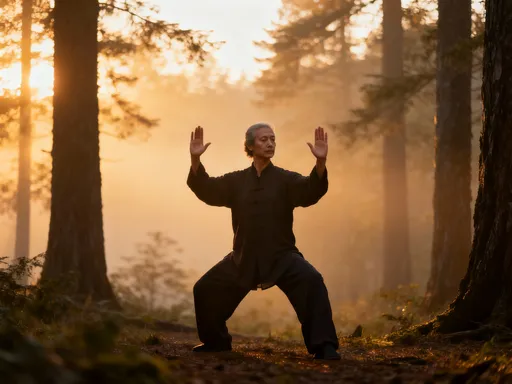
Gentle movement groups—like walking clubs, tai chi classes, or restorative yoga—combine physical activity with social support. Exercise is known to boost endorphins and improve circulation, but doing it in a group amplifies the benefits. A study from the Journal of Behavioral Medicine found that people who exercised in groups reported lower stress levels and higher adherence than those who worked out alone. The group setting provides motivation, reduces the perception of effort, and makes physical activity feel less like a chore. For someone in recovery, this means better movement tolerance and a more positive relationship with their body.
Creative groups—such as painting workshops, community choirs, or cooking classes—engage the brain in ways that support emotional regulation. Creating something with others activates the prefrontal cortex, the area responsible for focus and decision-making, while reducing activity in the amygdala, the brain’s fear center. This helps quiet the mental chatter that often accompanies chronic illness or burnout. Plus, the act of making something—whether it’s a meal, a piece of art, or a song—provides a tangible sense of accomplishment, which can be deeply restorative when you’ve felt powerless in your body.
Volunteering is another powerful yet often overlooked path to connection. Helping others, even in small ways, shifts focus away from personal suffering and fosters a sense of purpose. Research shows that people who volunteer regularly report higher life satisfaction and lower rates of depression. For someone in recovery, volunteering can be adapted to energy levels—sorting books at a library, packing meals at a food bank, or writing letters to isolated seniors. These acts don’t require physical strength, but they provide meaningful connection and a reminder that you still have something to offer.
The structure of group activities also reduces social anxiety. Knowing there’s a clear agenda—“we’ll walk for 30 minutes, then sit and chat”—takes the pressure off conversation. You don’t have to perform or carry the interaction. The shared activity becomes the focus, making it easier to relax and be present. Over time, this builds confidence and reduces the fear of social engagement, creating a positive feedback loop that supports long-term recovery.
Navigating Boundaries and Emotional Safety
Not all socializing is healing. While connection can be medicine, forced or emotionally taxing interactions can be harmful. This is why boundaries are not just helpful—they’re essential. Recovery requires protection from emotional strain as much as it does from physical overexertion. Learning to recognize and honor your limits is a form of self-care that ensures your social life supports, rather than undermines, your healing.
Some relationships, even with well-meaning people, can be draining. Conversations that focus on drama, criticism, or excessive problem-sharing can elevate stress hormones and deplete energy. Similarly, environments that are loud, chaotic, or emotionally intense may feel overwhelming. The key is to notice how you feel during and after interactions. Do you feel lighter, calmer, more grounded? Or do you feel tense, anxious, or emotionally heavy? Your body is giving you feedback—listen to it.
Setting boundaries doesn’t mean cutting people off. It means communicating your needs with kindness and clarity. You can say, “I’d love to see you, but I only have 20 minutes today,” or “I’m not up for big gatherings right now, but I’d enjoy a quiet walk.” These statements are not rejection—they’re honesty. And they help others understand how to support you. Most people want to help; they just don’t know how. By setting gentle limits, you teach them how to show up for you in a way that works for both of you.
Choosing the right environments is equally important. Seek out quiet spaces—libraries, gardens, small community centers—where the pace is slow and the atmosphere is calm. Look for inclusive groups that value presence over performance, where you don’t have to “do” anything to belong. Healing circles, mindfulness groups, or peer support networks can provide this kind of safe container. In these spaces, empathy and mutual support are the foundation, not competition or comparison. Being seen and accepted as you are—tired, healing, imperfect—can be one of the most powerful experiences on the road to recovery.
Building a Sustainable Social Recovery Lifestyle
Recovery isn’t a finish line—it’s a process. And just as you wouldn’t stop eating well or exercising after feeling better, you shouldn’t abandon social connection once symptoms improve. The goal is to integrate meaningful connection into your long-term health habits, making it as routine as brushing your teeth or taking medication. This doesn’t mean constant socializing; it means cultivating a lifestyle where you feel consistently supported, seen, and part of something bigger than yourself.
One way to do this is by tracking your progress. Keep a simple log that includes not just physical symptoms—energy levels, pain, sleep—but also your social engagement. Note how you feel after different types of interactions. You may discover patterns: for example, that creative group activities boost your mood more than solo walks, or that weekly calls with a sister reduce your anxiety. This data helps you refine your approach, ensuring that your social life remains aligned with your health needs.
It’s also important to combine medical care with community. Doctors often focus on scans, labs, and prescriptions—and while these are vital, they rarely ask, “Who do you talk to when you’re struggling?” Yet that question may be just as important. You don’t have to wait for your physician to bring it up. You can proactively build a support ecosystem—friends, groups, mentors—who are part of your healing team. This holistic approach recognizes that health is not just the absence of disease, but the presence of connection.
Over time, this shift in mindset changes everything. Healing stops being something you do alone in silence and becomes a shared journey. You begin to see your relationships not as distractions from recovery, but as active ingredients in it. You learn to accept help, to receive care, to let others witness your struggle. And in doing so, you reclaim a fundamental truth: we are not meant to heal in isolation. Your people—your quiet companions, your walking partners, your listening friends—are not just comfort. They are medicine. And when you treat connection as essential, not optional, you unlock a deeper, more sustainable form of wellness that lasts far beyond the recovery phase.