Beyond the City: Where Marseille’s Wild Heart Beats
Imagine trading Marseille’s bustling streets for sea caves, rugged cliffs, and trails where silence is broken only by waves and wind. I did—and it was mind-blowing. Away from the crowds, protected natural areas like Calanques National Park reveal a side of Marseille few see. This isn’t just sightseeing; it’s a soul-reset. Let me take you where the wild coast guards its secrets. Just a short journey from one of France’s oldest and most vibrant cities lies a landscape of untouched beauty—crystal-clear coves framed by limestone cliffs, aromatic herbs carpeting sun-drenched paths, and the kind of stillness that makes you remember what peace feels like. For women juggling family, work, and endless to-do lists, this escape isn’t a luxury. It’s a necessity. And the best part? It’s closer than you think.
The Unexpected Wild Side of Marseille
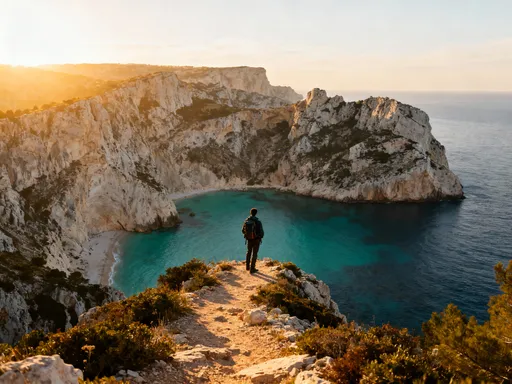
Marseille is often celebrated for its cultural richness—the lively markets of Noailles, the panoramic views from Notre-Dame de la Garde, the historic charm of Le Panier. But beyond the postcard scenes lies a natural wonder that rivals any European coastline: the Calanques. These narrow inlets, carved by centuries of wind and water into stark white limestone, stretch over 20 kilometers along the Mediterranean Sea between Marseille and the village of Cassis. In 2012, this extraordinary landscape was granted national park status, becoming France’s tenth national park and the only one that is both terrestrial and marine. Covering approximately 52 square kilometers, Calanques National Park protects not only dramatic geology but also rare plant species like the Marseille trident and the dwarf palm, as well as nesting sites for peregrine falcons and Audouin’s gulls.
What makes the Calanques so remarkable is their proximity to urban life. Within 30 minutes of leaving central Marseille, the noise of traffic fades, replaced by the rhythm of waves and seabirds. The contrast is striking. One moment you're navigating a bustling tram line; the next, you're standing at the edge of a cliff overlooking an emerald cove so pristine it looks untouched by time. This duality—city and wildness coexisting—offers a unique opportunity for travelers seeking both convenience and authenticity. For women managing households and schedules, this kind of accessible escape is invaluable. You don’t need weeks off or a hefty travel budget. You simply need the courage to step off the beaten path.
The park’s creation was not just an environmental decision—it was a cultural one. By protecting these lands, France affirmed the importance of preserving natural spaces for public enjoyment and ecological resilience. The Calanques are more than scenic backdrops; they are living ecosystems that support biodiversity and offer people a chance to reconnect with nature in its rawest form. Whether you're a seasoned hiker or someone who simply enjoys a peaceful walk by the sea, the park invites you to slow down, breathe deeply, and witness the quiet power of the natural world.
Why Protected Areas Transform Travel Experiences
Travel has evolved. It’s no longer enough to check landmarks off a list or snap photos from crowded viewpoints. Today’s travelers—especially women seeking meaningful, rejuvenating experiences—want connection. They crave moments that linger in the heart, not just the camera roll. Protected areas like Calanques National Park offer exactly that: immersive, emotionally rich encounters with nature. Unlike typical tourist attractions, national parks are designed to foster presence. There are no entrance gates with turnstiles, no timed tickets—just trails that wind into silence, inviting you to move at your own pace.
Studies have shown that spending time in natural environments reduces cortisol levels, improves mood, and enhances cognitive function. The simple act of walking through a sunlit forest or sitting beside a tranquil inlet can reset your nervous system. In the Calanques, these benefits are amplified by the sensory richness of the Mediterranean landscape. The air carries the scent of wild thyme, rosemary, and pine. The light dances on turquoise waters, shifting from sapphire to jade depending on the sun’s angle. Every step reveals new textures—rough rock underfoot, smooth stone warmed by hours of sunlight, cool shade beneath overhanging cliffs.
But beyond the personal benefits, visiting protected areas fosters a deeper understanding of conservation. When you see a rare orchid blooming in a rocky crevice or watch a bird of prey circle above the cliffs, you begin to appreciate the delicate balance of life in such an environment. The park’s regulations—such as restricted access during nesting season or seasonal trail closures—are not inconveniences. They are essential tools that ensure these experiences remain possible for future generations. By choosing to visit responsibly, travelers become part of a larger story of stewardship and respect.
For families, these experiences can be especially transformative. Sharing a quiet moment on a cliffside trail, pointing out a lizard darting across the path, or watching children dip their toes in a secluded cove creates memories rooted in wonder and discovery. These are the moments that shape how we see the world—and ourselves.
Planning Your Escape: Choosing the Right Spot
One of the greatest strengths of Calanques National Park is its accessibility. With multiple entry points and trails ranging from easy walks to challenging climbs, there’s an option for every fitness level and time constraint. The key is choosing the right starting point based on your goals. For those new to hiking or traveling with children, Calanque de Sormiou offers a gentle introduction. Accessible by public bus from central Marseille, this calanque features a well-maintained path that descends gradually to a small beach surrounded by steep cliffs. The round-trip hike takes about two hours at a leisurely pace, making it ideal for a half-day outing.
More experienced hikers might prefer Calanque de Morgiou or Calanque de Port-Miou. These routes require steeper ascents and longer distances but reward visitors with greater solitude and breathtaking vistas. Port-Miou, in particular, is best reached by foot via the Sentier des Douaniers (the customs officers’ path), which offers uninterrupted views of the coastline. Alternatively, small shuttle boats operate from the Vieux-Port during peak season, allowing visitors to hike one way and return by sea—a perfect option for those who want to minimize strain while maximizing scenery.
Timing is critical. The best months to visit are May–June and September–October, when temperatures are mild, wildflowers are in bloom, and the summer crowds have not yet arrived—or have already dispersed. July and August bring intense heat, often exceeding 35°C (95°F), and trails can become dangerously exposed. Additionally, high visitor numbers during these months lead to parking shortages and overcrowded paths. Early morning hikes are strongly recommended, not only to avoid the heat but also to experience the landscape in its most serene state—flooded with golden light and alive with bird song.
Practical planning enhances comfort and safety. Parking near trailheads like Luminy or Callelongue fills up quickly, so arriving before 8 a.m. increases your chances of securing a spot. Free shuttle buses run from metro stations like Les Baumettes during peak season, offering a stress-free alternative. Always check the park’s official website for real-time updates on trail closures, fire risk levels, and weather conditions before departure.
Gearing Up: What You Actually Need
Hiking in the Calanques demands preparation. While the trails are well-marked, the terrain is unforgiving. Surfaces range from loose gravel to smooth, sun-baked rock that can be slippery when damp. Proper footwear is non-negotiable. Sturdy hiking shoes with strong ankle support and rubber soles provide the grip needed for steep ascents and descents. Avoid sandals or sneakers—they lack the stability required for uneven paths and rocky drop-offs.
Sun protection is equally essential. The Mediterranean sun is intense, and shade is sparse along many routes. A wide-brimmed hat, UV-protective clothing, and broad-spectrum sunscreen (SPF 30 or higher) are must-haves. Reapply sunscreen every two hours, especially after swimming. Polarized sunglasses help reduce glare from white rock and reflective water, improving visibility and comfort.
Hydration is a top priority. Carry at least two liters of water per person, even for shorter hikes. There are no water refill stations along the trails, and dehydration can set in quickly under the summer sun. Electrolyte tablets or sports drinks can help maintain mineral balance, particularly on longer treks. Pack high-energy snacks like nuts, dried fruit, whole-grain bars, or sandwiches in reusable containers to minimize waste.
Navigation tools are crucial. While most trails are marked with red and white painted stripes, vegetation can obscure signs in summer. Download offline maps through apps like IGN Rando or Visorando before leaving. These tools show trail difficulty, elevation gain, and estimated duration. A physical map serves as a reliable backup in case your phone battery dies. Other essentials include a lightweight first-aid kit, a whistle for emergencies, and a small backpack to carry your supplies comfortably.
On the Trail: A Moment-by-Moment Experience
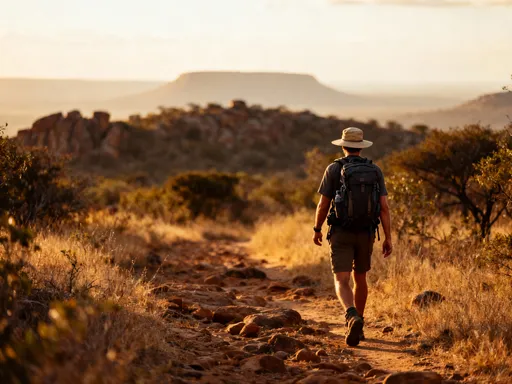
Let’s begin at Calanque de Morgiou at sunrise. The air is cool, carrying the clean scent of sea salt and pine. As you start the trail from the parking area near the viaduct, the city still sleeps behind you. The path climbs steadily, winding through aromatic scrubland dotted with rockroses and cistus flowers. With each step, the sounds of civilization fade. The crunch of gravel underfoot becomes your rhythm. Up ahead, a pair of goats—sure-footed and wild—pause on a ledge, watching you with quiet curiosity before leaping effortlessly to another outcrop.
Halfway up, you stop to catch your breath. Below, the calanque unfolds like a painting: deep blue water lapped by smooth stones, surrounded by sheer white cliffs. A fisherman’s boat bobs gently at anchor. The silence is profound, broken only by the hum of cicadas warming up in the morning sun. You sip water, feeling the cool liquid soothe your throat, and take in the view. This is not just a destination—it’s a state of mind.
As you reach the ridge, the world opens up. To the east, Calanque de Port-Miou glimmers in the distance, its waters protected by towering headlands. To the west, the curve of Calanque de Sormiou nestles between forested slopes. The Mediterranean stretches endlessly beyond, merging with the sky at the horizon. You sit on a sun-warmed rock, unpack a simple lunch of bread, cheese, and olives, and eat in quiet satisfaction. There’s no rush. No emails. No demands. Just you, the sea, and the sky.
On the descent, the light changes. Shadows grow longer, painting the cliffs in gold and rose. By the time you reach the shore, the water is warm enough to swim. You wade in slowly, letting the coolness embrace your legs, then dive beneath the surface. The underwater world is clear and vibrant—schools of tiny fish dart between rocks, and sunlight filters down like liquid gold. Floating on your back, staring up at the cliff walls, you feel a deep sense of calm. This is what it means to be present. This is what it means to be free.
Respecting the Land: Rules That Protect the Beauty
The beauty of the Calanques is fragile. Every year, thousands of visitors come to enjoy its trails and coves, and without strict protections, this landscape could be irreparably damaged. That’s why the park enforces clear rules designed to preserve its ecological integrity. These are not suggestions—they are mandatory for all visitors.
First and foremost, no open fires are allowed at any time. The risk of wildfire is extremely high, especially in summer when vegetation is dry. Even a small spark can ignite a blaze that spreads rapidly in the wind. Smoking is prohibited outside designated areas, and cigarette butts must never be discarded on the ground. These rules are strictly enforced, and fines for violations can exceed 1,500 euros.
Camping is also banned throughout the park. While the idea of spending a night under the stars may seem romantic, unregulated camping leads to soil erosion, litter, and disturbance to wildlife. Similarly, the use of drones is prohibited without special authorization. Drones disrupt birds, particularly nesting raptors, and diminish the natural quiet that makes the Calanques so special.
Dogs are not permitted on most trails. While they are beloved companions, their presence can stress wildlife and damage vegetation. Some coastal paths allow leashed dogs outside peak season, but it’s best to leave them at home or in pet-friendly accommodations in the city. Littering is strictly forbidden—visitors must carry out all trash, including food scraps and biodegradable items. The “leave no trace” principle is fundamental: take only photos, leave only footprints.
Rangers patrol regularly, especially during high season, to ensure compliance. Their presence is not punitive—it’s protective. They offer guidance, answer questions, and help keep the park safe for everyone. Following the rules isn’t about restriction. It’s about responsibility. It’s about ensuring that mothers, daughters, sisters, and friends can continue to find peace and inspiration in this extraordinary place for decades to come.
Beyond the Hike: Connecting with Local Stewardship
The protection of the Calanques is not solely the work of government agencies. It is a shared effort involving local communities, hiking clubs, environmental organizations, and everyday citizens. Each year, volunteer groups organize clean-up days, removing litter from trails and coves. Schools lead educational programs to teach children about native plants and sustainable practices. Eco-certified tour operators offer guided hikes that emphasize environmental awareness and cultural respect.
Travelers can contribute in meaningful ways. Joining a volunteer hike, even for a few hours, makes a tangible difference. Supporting local businesses that prioritize sustainability—such as restaurants using seasonal, regional ingredients or shops selling eco-friendly gear—helps strengthen the local economy while reducing environmental impact. Simply modeling responsible behavior—packing out trash, staying on marked paths, respecting wildlife—inspires others to do the same.
For women who care deeply about family, health, and the world future generations will inherit, these actions carry profound significance. When you fall in love with a place, you naturally want to protect it. The Calanques offer more than scenic beauty—they offer a reminder of our connection to the Earth and our role as its guardians.
Marseille’s wild heart beats strong. It pulses in the waves that shape ancient stone, in the flight of a falcon over the cliffs, in the quiet joy of a woman walking a sunlit trail, finally at peace. This is not an escape from life. It is a return to what matters. So go. Breathe deep. Listen closely. And when you leave, carry that calm with you—back to your kitchen, your office, your life. Let it remind you that beauty, stillness, and renewal are never far away. They are waiting, just beyond the city.