You Gotta Taste This: Guam’s Best-Kept Dining Secrets Uncovered
If you think Guam is just beaches and duty-free shopping, think again. I went searching for real flavor in Agana and found something unexpected—vibrant kitchens blending Chamorro tradition with island twists you won’t believe. From sizzling street-side grills to tucked-away eateries locals won’t share, the food scene here hits different. This isn’t just dining—it’s a cultural deep dive, one bite at a time. The rhythm of daily life in Guam pulses strongest in its capital, where generations gather not in grand halls but at weathered picnic tables under open skies, sharing plates of kelaguen and sipping fresh coconut water. Agana, though modest in size, carries the heartbeat of Chamorro heritage, and nowhere is that more evident than on a plate. Here, meals are more than sustenance—they are acts of memory, identity, and community. For the curious traveler, especially those seeking warmth, authenticity, and culinary discovery, Agana offers a rare gift: food that feels like home, even if you’ve never been here before.
Why Agana Deserves a Spot on Your Foodie Radar
Agana, often spelled Hagåtña in the Chamorro language, stands as the historic and cultural core of Guam, a U.S. territory nestled in the western Pacific. While many visitors confine their experience to the resort-lined shores of Tumon, those who venture into Agana uncover a deeper layer of island life—one defined by resilience, tradition, and an unwavering connection to food. Unlike the polished, tourist-focused restaurants in commercial zones, Agana’s culinary offerings are rooted in everyday reality. This is where grandmothers cook for extended families, where church gatherings revolve around communal feasts, and where weekend mornings begin with the scent of red rice and grilled chicken wafting through open-air kitchens.
Food in Agana is not merely a transaction; it is a reflection of Chamorro identity. The island’s complex history—shaped by indigenous roots, centuries of Spanish colonization, and influences from the Philippines, Mexico, and the United States—has created a cuisine that is both unique and deeply personal. In Agana, meals are often prepared with ingredients grown in backyard gardens or purchased from neighboring farms, reinforcing a culture of self-reliance and local pride. The city’s compact layout, with neighborhoods closely knit and streets lined with family homes and small businesses, makes it ideal for immersive exploration. Walking or driving through Agana, one can easily move from a quiet residential lane to a bustling food stall in minutes, experiencing the seamless blend of domestic and public life.
Compared to the convenience-driven dining options in tourist-heavy areas, Agana offers authenticity that cannot be replicated. Resort menus may offer “Chamorro-style” dishes, but they are often simplified or adapted to suit international palates. In contrast, the meals served in Agana’s local kitchens remain true to their origins—bold in flavor, generous in portion, and rich in meaning. There is no performative exoticism here, no staged cultural shows. Instead, visitors are invited—sometimes quietly, sometimes with a warm smile—to witness food as it is truly lived. For the discerning traveler, particularly women who value connection, care, and the nurturing aspects of culture, Agana presents a rare opportunity: to eat not as a guest, but as part of the community.
The Flavors That Define Chamorro Cuisine
At the heart of Chamorro cuisine lies a symphony of ingredients that have sustained island life for generations. Coconut, in all its forms, is perhaps the most essential—used for its milk in stews, its oil for frying, and its flesh in desserts. Turmeric, known locally as *nafas*, lends both color and earthy warmth to many dishes, while taro and breadfruit serve as hearty staples, often boiled, roasted, or fried. Freshly caught seafood—especially tuna, mahi-mahi, and octopus—features prominently, typically grilled or marinated and served with citrus and chili. These ingredients, grown or harvested close to home, reflect a deep respect for the land and sea, passed down through oral tradition and daily practice.
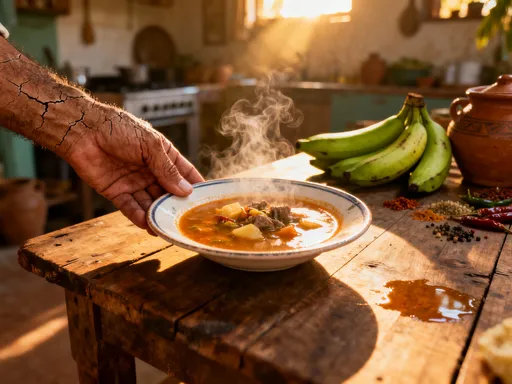
Among the most iconic dishes is *kelaguen*, a vibrant preparation of finely chopped meat—usually chicken, beef, or seafood—mixed with lemon or calamansi juice, onions, and hot peppers. The citrus “cooks” the protein, resulting in a dish that is tangy, spicy, and refreshing, often served with tortillas or rice. Another staple is *red rice*, tinted a rich orange-red with achote seeds and cooked with onions, garlic, and sometimes Spam, a legacy of American influence that has been fully embraced into local cuisine. *Kadon pika*, a slow-simmered stew of chicken or beef with vegetables and coconut milk, delivers deep, savory flavors, its richness balanced by the brightness of native spices.
The taste of Chamorro food is the result of centuries of cultural fusion. Spanish colonization introduced dishes like *estufao* (a stewed meat dish) and the use of tomatoes and vinegar, while Filipino settlers brought techniques such as adobo-style marination. Mexican influences, arriving via the Manila galleons, introduced corn tortillas and the concept of communal feasting. Over time, these elements merged with indigenous practices to form a cuisine that is uniquely Guamanian. The flavors are bold, often spicy, and never shy—much like the people who prepare them.
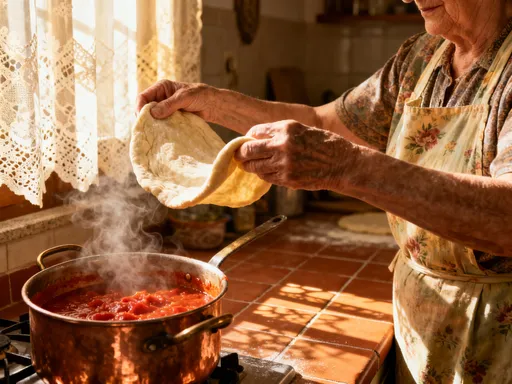
What makes this cuisine truly special is how it is preserved. Recipes are rarely written down; instead, they are taught hand-in-hand in the kitchen, from grandmother to mother to daughter. A pinch of this, a handful of that—measurements are felt, not measured. This oral transmission ensures that each family’s version of a dish carries subtle variations, making every meal a personal expression of heritage. In Agana, where many homes still cook over open flames or in outdoor kitchens, these traditions remain alive, not as museum pieces, but as living, breathing parts of daily life.
Hidden Eateries Only Locals Know
Some of the most memorable meals in Agana are found not in restaurants with neon signs or online reviews, but in unmarked spaces—backyard kitchens, roadside grills, and small lunch counters tucked between residential homes. These spots, often run by families or retired cooks, operate on a word-of-mouth basis and may only be open a few days a week. One such place, known simply as “Auntie’s Grill” to regulars, sits at the end of a narrow driveway off Perez Street. There’s no menu, just a chalkboard with a few daily specials. The smell of grilled chicken skewers and garlic rice draws people in long before they see the faded tarp overhead.
Another favorite is a weekend-only stall near the Agana Catholic Church, where an elderly couple serves *tinaktak*—a creamy coconut and vegetable dish—and freshly made *tamales guiso*, wrapped in banana leaves. They arrive before dawn to prepare, and by mid-morning, a line has formed. These are not commercial ventures in the traditional sense; they are labors of love, ways to share culture and supplement income. The food is served with pride, and the cooks often remember regulars by name, asking after their children or commenting on the weather as they hand over a steaming plate.
For visitors, spotting these authentic spots requires a shift in mindset. Look for clues: clusters of locals gathering during lunch hours, handwritten signs in Chamorro or broken English, the absence of a formal dining room. Many places accept cash only and may not have restrooms or air conditioning. But these “imperfections” are part of the charm. The experience is not about comfort—it’s about connection. One of the most telling signs of authenticity is language; if you hear Chamorro being spoken among the staff or customers, you’re likely in the right place.
When visiting these hidden kitchens, respect is key. A simple greeting in Chamorro—such as *Håfa adai* (hello)—goes a long way. Avoid treating the space like a photo opportunity; instead, engage with kindness and humility. Ask questions politely, but understand that not every cook wants to explain their recipe. Some traditions are shared through silence, through the act of serving, rather than words. By approaching these spaces with gratitude and openness, visitors are often welcomed not as tourists, but as temporary members of the community.
Markets and Food Hubs: Where Fresh Meets Flavor
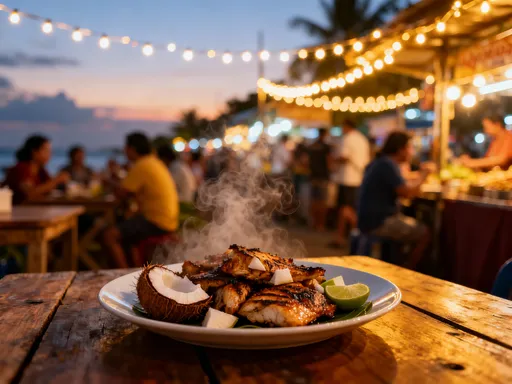
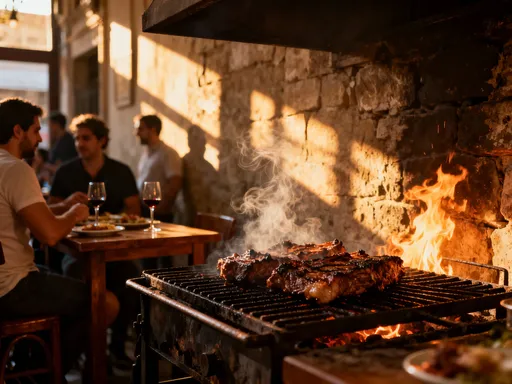
One of the best ways to experience Agana’s food culture is through its vibrant markets, where the island’s agricultural and culinary heart beats strongest. The Agana Night Market, held weekly at the Plaza de España, is a sensory celebration of local life. As the sun sets, the plaza transforms into a lively bazaar of food stalls, live music, and handmade crafts. The air fills with the smoky aroma of barbecued meats, the sweet scent of grilled bananas, and the nutty fragrance of freshly cracked coconuts. Families gather on benches, children run between tables, and elders sip on *otwe*, a warm coconut drink made with ginger and brown sugar.
Each vendor offers something unique. One stall specializes in *kådu pika* skewers—tender cubes of marinated beef grilled over open flame and served with a side of red rice. Another offers *latiya*, a custard-like dessert made with ladyfingers, condensed milk, and cinnamon, inspired by Spanish *leche flan* but with a distinctly island twist. Fresh fruit juices—mango, papaya, and lilikoi (passion fruit)—are poured into plastic cups, often sweetened with local honey. The market also features seasonal specialties, such as *fanihi* (fruit bat soup) during cultural festivals, though this is less common and typically reserved for ceremonial occasions.
These food hubs are more than just places to eat; they are vital to the island’s economy and social fabric. Many vendors are small-scale farmers or home cooks who rely on these markets to sell surplus produce or homemade goods. By purchasing from them, visitors directly support local livelihoods. The market also serves as a space for cultural preservation—elders teach younger generations how to prepare traditional dishes, and Chamorro music fills the air, reinforcing a sense of shared identity.
For the visitor, the night market offers a safe, welcoming environment to sample a wide range of flavors without committing to a full meal. Portions are often small and affordable, allowing for culinary exploration. It’s also an excellent place to observe how food brings people together—strangers share tables, laughter echoes between stalls, and the rhythm of island life unfolds in real time. For women who appreciate community, tradition, and the nurturing power of food, the Agana Night Market is a must-visit destination.
Modern Twists: Where Tradition Meets Innovation
While Agana honors its culinary roots, a new generation of chefs and entrepreneurs is reimagining Chamorro flavors for contemporary tastes. In recent years, several modern eateries have opened in the city, blending traditional ingredients with global techniques. One such restaurant, located near the University of Guam, offers a dish called *coconut-lime poke*, featuring fresh tuna marinated in coconut milk, lime juice, and chili, served over heirloom rice. Another café, run by a young Chamorro woman, has gained a following for its *adobo tacos*—slow-cooked pork in a vinegar-soy marinade, wrapped in handmade corn tortillas and topped with pickled red onions.
These innovations are not attempts to replace tradition, but rather to expand its reach. Many of these chefs are descendants of longtime island families who want to keep Chamorro cuisine relevant for younger generations and visiting food lovers. They source ingredients locally when possible, maintaining a connection to the land even as they experiment with presentation and flavor combinations. The result is a cuisine that feels both familiar and exciting—a bridge between past and present.
Café culture is also on the rise in Agana, with several new spots offering island-inspired desserts and beverages. One popular café serves *ube and coconut scones*, made with purple yam and shredded coconut, alongside lattes infused with pandan or jasmine. Another offers *chamomile-coconut iced tea*, a refreshing blend that nods to both local and global wellness trends. These spaces provide a comfortable setting for families, professionals, and travelers to relax and enjoy a slower pace of life.
What sets these modern establishments apart is their balance of authenticity and creativity. They do not erase tradition; instead, they reinterpret it with respect. Menus often include brief explanations of the cultural significance of certain dishes, helping diners understand what they are eating. For the 30- to 55-year-old woman who values both heritage and innovation, these spaces offer a meaningful way to engage with Chamorro culture—not as a relic of the past, but as a living, evolving tradition.
Practical Tips for a Stress-Free Food Adventure
Exploring Agana’s food scene is a rewarding experience, but a few practical considerations can make the journey smoother. Timing is important: many local eateries and markets operate on island time, opening later in the morning and closing by mid-afternoon. The Agana Night Market, for example, runs from 5:00 PM to 9:00 PM on weekends, making it ideal for an early dinner. To avoid the midday heat, plan food walks for early morning or late afternoon, when temperatures are milder and lighting is perfect for photos.
Transportation in Agana is best managed by car. While ride-sharing services are available, public transit is limited, and walking long distances in the heat can be exhausting. Renting a compact vehicle allows for flexibility, especially when visiting roadside stands or markets on the city’s outskirts. Always carry water, sunscreen, and a light hat, especially if exploring on foot.
Be prepared for cash-only transactions. Many small vendors and family-run kitchens do not accept credit cards, so it’s wise to carry small bills. Prices are generally affordable—most meals range from $5 to $15, with snacks and drinks costing even less. Tipping is not expected but appreciated, especially at sit-down spots.
Dietary considerations should also be noted. Chamorro food is often spicy, so ask for milder versions if needed. Seafood and coconut are common allergens, so inform vendors if you have sensitivities. Vegetarian options are limited but not impossible to find—dishes like *tinaktak* (without meat), grilled bananas, and coconut rice can be adapted upon request. Many cooks are happy to accommodate, especially when approached with politeness and respect.
How to Eat Like a Local: Etiquette and Connection
To truly experience Agana’s food culture, one must go beyond the plate. Eating like a local means embracing the social rituals that surround meals. In Chamorro culture, food is inherently communal. Portions are often large, meant to be shared among family and friends. It is not unusual for a stranger to be invited to join a table, especially during festivals or market events. Accepting such invitations, even briefly, can lead to meaningful conversations and lasting memories.
Language plays a subtle but important role. While English is widely spoken, using a few basic Chamorro phrases—such as *Håfa adai* (hello), *Si Yu’us ma’åse’* (thank you), and *Må’gaha* (delicious)—shows respect and often elicits warm responses. These small gestures open doors, sometimes leading to invitations into kitchens or homes, where the real stories behind the food are told.
Understanding portion culture is also key. Meals are served generously, and leaving a small amount on the plate is not considered rude—it is understood that no one can finish everything. Asking questions is welcome, but timing matters. It’s better to wait until after the first bite, or until the cook offers an explanation. Some traditions are not easily put into words, and the act of sharing food is itself a form of communication.
For many women in their 30s to 50s, food is more than nourishment—it is love, memory, and care. In Agana, that truth is lived every day. A meal shared with a local family, a story told over red rice, a recipe whispered with a smile—these are the moments that transform travel from sightseeing into soul-seeing. By approaching food with humility and heart, visitors don’t just taste Guam. They become part of its story.
Dining in Agana isn’t just about satisfying hunger—it’s about connection, culture, and discovery. Each dish tells a story of resilience, family, and island pride. By stepping off the tourist path and into its local kitchens, you don’t just taste Guam—you experience it. So next time you’re here, skip the chain restaurants. Follow the scent of grilled meat and coconut, and let Agana’s true flavor guide you.