You Won’t Believe Naples’ Secret Food Culture
Naples isn’t just the birthplace of pizza—it’s a living kitchen where tradition simmers in every alley. I walked its cobblestone streets, drawn not by tourist guides but by the scent of simmering tomato sauce and fresh basil. What I found was more than food—it was soul. This is real, raw, unfiltered Neapolitan life, hidden in plain sight, where every bite tells a story centuries in the making. It’s not about perfection or presentation; it’s about heart, history, and the deep rhythm of daily living expressed through flavor, texture, and shared moments around the table. In Naples, a meal is never just a meal—it’s memory, identity, and love served warm.
The Heartbeat of Naples: Food as Identity
Food in Naples is not merely sustenance; it is the city’s pulse, its language, and its soul. More than any monument or museum, the Neapolitan kitchen holds the key to understanding the city’s character. Meals are not scheduled events but natural rhythms woven into the fabric of daily life. At dawn, grandmothers light stoves to slow-cook ragù, filling the narrow alleys with the scent of garlic, tomatoes, and oregano. Fishermen unload the morning’s catch directly onto carts near the harbor, where vendors shout prices in rapid Neapolitan dialect. By midday, families gather around tables piled high with pasta, bread still warm from the oven, and wine poured from glass carafes. This is not a curated experience for visitors—it is lived, breathed, and deeply cherished by locals.
The emotional weight of food in Naples cannot be overstated. For generations, cooking has been a form of resistance, resilience, and cultural pride. During times of hardship, especially in the aftermath of war and economic struggle, Neapolitans relied on creativity and resourcefulness to make nourishing meals from simple ingredients. Dishes like pasta e fagioli, made from beans and stale bread, or polpette—homemade meatballs using scraps of meat—were born not from luxury but from necessity. These traditions have endured, not out of obligation, but because they carry the warmth of family, the comfort of memory, and the dignity of survival. To eat in Naples is to taste history in its most intimate form.
Unlike many cities where dining has become increasingly commercialized or tailored to tourism, Naples resists that shift. While pizzerias near tourist landmarks may cater to international palates, the true heart of the city’s cuisine beats in homes, neighborhood trattorias, and open-air markets. Here, authenticity is not a marketing term—it is a standard. The way a sauce is simmered for hours, the precise motion of hand-stretching pizza dough, the careful selection of seasonal ingredients—these are acts of devotion. Food is identity, and in Naples, identity is non-negotiable. When a Neapolitan serves you a dish, they are not just offering a meal—they are sharing a piece of themselves, their family, and their city.
Beyond Pizza: Uncovering the Real Flavors
While Neapolitan pizza—especially the iconic Margherita with its red tomato, white mozzarella, and green basil—has earned global acclaim, it is only the beginning of the city’s culinary story. To limit Naples to pizza is to miss the richness, diversity, and depth of its true food culture. Beyond the wood-fired ovens lies a world of traditional dishes that reflect the region’s agricultural abundance, coastal access, and centuries-old cooking techniques. These are the flavors that locals savor daily, passed down through generations and often absent from international menus.
One such dish is sartù di riso, a grand baked rice pie that showcases the city’s love for layered, hearty meals. Made with Arborio rice, Neapolitan ragù, peas, mushrooms, mozzarella, and sometimes liver or sausage, it is molded into a dome and baked until golden. This dish, often reserved for Sunday lunches or special occasions, speaks to the Neapolitan value of abundance and generosity. Another hidden treasure is cuoppo, a paper cone filled with a mix of fried seafood and vegetables—think squid, shrimp, zucchini, and eggplant—all fried to crisp perfection in olive oil. Originating as street food for laborers, cuoppo remains a beloved midday treat, especially near the port.
Equally important are the fried specialties known as fritti, a category that includes frittelle di baccalà (salted cod fritters), panzarotti (fried turnovers stuffed with cheese and tomato), and zeppole (choux pastry dough fried and sometimes dusted with sugar). These are not fast-food snacks but carefully prepared delicacies, often made in small batches at family-run friggitorie—frying houses that have operated for decades. The oil is changed daily, the batter is light and crisp, and the ingredients are always fresh. Eating fritti in Naples is not about indulgence; it is about craftsmanship, tradition, and the joy of simple pleasures done exceptionally well.
Hidden Eateries: Where Locals Really Eat
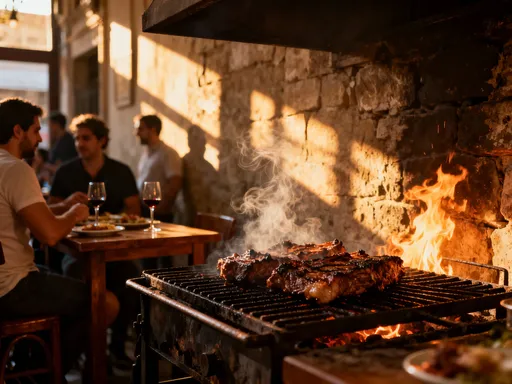
If you want to taste the true soul of Neapolitan cuisine, you must step away from the postcard-perfect pizzerias near Spaccanapoli and the Royal Palace. The most authentic meals are found in places that don’t appear on maps, lack websites, and may not even have a proper sign. These are the family-run trattorias, tucked into quiet courtyards or on unassuming corners of neighborhoods like Quartieri Spagnoli, Vomero, or Forcella. They don’t rely on online reviews or Instagram fame—many have been feeding the same families for three or four generations.
These hidden gems often operate on a daily menu—il menu del giorno—written in chalk on a small board near the door. The offerings change based on what’s fresh at the market, what the nonna cooked that morning, or what the fisherman brought in at dawn. There’s no fixed menu, no English translation, and no pressure to order dessert unless you truly want it. The atmosphere is warm, unpretentious, and deeply personal. Servers might greet regulars with a kiss on the cheek, and children play under tables while pots simmer in the back kitchen.
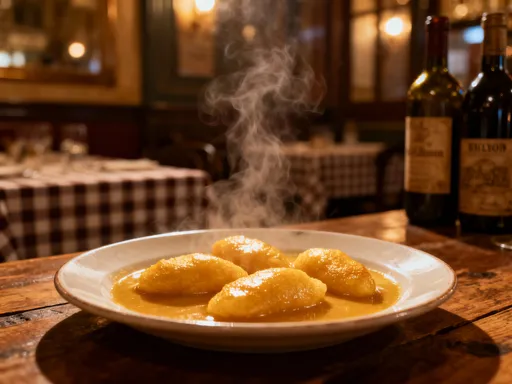
So how do you find these places? Follow the signs that only locals know. First, follow the aroma—when the scent of frying garlic or slow-cooked tomatoes pulls you toward a narrow doorway, go in. Second, watch for clusters of people during lunchtime, especially men in work clothes or older couples sharing a bottle of house wine. A crowd of locals at noon is the most reliable review. Third, look for red-and-white checked tablecloths, handwritten menus, and an absence of decorative lighting or trendy decor. These are not flaws—they are markers of authenticity. And finally, don’t be afraid to ask. A simple “Dove mangiate voi?” (“Where do you eat?”) to a shopkeeper or market vendor will often lead you to a place that has no name but a legacy.
The Art of the Nonna: Cooking as Legacy
In Naples, grandmothers—le nonne—are the true guardians of culinary tradition. Their kitchens are sacred spaces, not because they are spotless or modern, but because they are alive with memory, ritual, and love. Recipes are rarely written down; they are passed orally, through demonstration, through touch, through the rhythm of a knife on a cutting board. A nonna might say, “Add tomato until it looks right,” or “Cook the sauce until it hugs the spoon”—instructions rooted in intuition, not measurement. This is not inefficiency; it is wisdom.
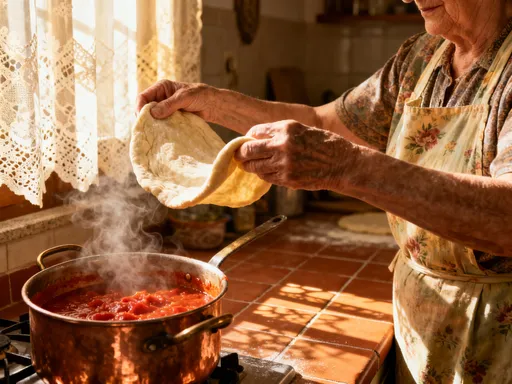
Spend an afternoon in a Neapolitan home kitchen, and you’ll witness a living archive. San Marzano tomatoes, grown in the mineral-rich soil at the foot of Mount Vesuvius, are peeled by hand and crushed into a pot with a splash of olive oil, a clove of garlic, and a sprig of fresh basil. The sauce simmers for hours, reducing slowly, deepening in flavor. While it cooks, stories unfold—of childhood summers in the countryside, of weddings celebrated with 20 kinds of pasta, of wartime hunger that taught families to value every scrap. These meals are not just about taste; they are acts of remembrance, resilience, and continuity.
The nonna’s philosophy—waste nothing—shapes much of Neapolitan cooking. Leftover bread becomes panzanella or braciole stuffing. Vegetable peels go into broths. Stale pastries are soaked in coffee and layered with cream for sbriciolata. This mindset, born from necessity, has evolved into a culinary virtue. It reflects a deep respect for food, for labor, and for the earth. When a nonna serves you a meal, she is not just feeding your body—she is offering you a piece of her life, her history, and her love. To accept it is to be welcomed into her world.
Market Journeys: From Soil to Supper
No exploration of Neapolitan food culture is complete without a visit to one of the city’s vibrant markets. These are not tourist attractions but working hubs where Neapolitans shop every day. Among the most authentic is Mercato di Porta Nolana, a bustling, sensory-rich space that comes alive at sunrise. Rows of vendors display pyramids of ripe figs, wild fennel, glossy eggplants, and plump peaches, all grown in the fertile volcanic soil of the Campania region. The air hums with Neapolitan chatter, the clatter of crates, and the occasional burst of laughter.
Here, you’ll find mozzarella di bufala so fresh it weeps milky liquid into its container, pulled that morning from farms in Aversa or Capua. Fishmongers display glistening sea bream, octopus, and tiny anchovies, still damp from the Tyrrhenian Sea. Butchers hang legs of cured ham and display handmade sausages spiced with fennel and chili. This is where the story of every Neapolitan meal begins—not in a supermarket, but in direct exchange between grower and cook. The market is not just a place to buy food; it is a social ritual, a place to see neighbors, exchange news, and feel connected to the rhythm of the city.
Shopping like a local requires engagement. Don’t just point and pay—touch the produce, smell the herbs, ask questions. A vendor might hand you a sample of ripe fig or a slice of fresh ricotta. Bargaining is not aggressive but conversational, often ending with a smile and a compliment. “You have good taste,” one vendor might say. “My tomatoes are the best—my father grew them, and his father before him.” These interactions are not transactions; they are relationships. And when you carry your market haul home—paper bags heavy with vegetables, cheese wrapped in wax paper, a loaf of crusty bread—you are not just preparing dinner. You are participating in a centuries-old tradition of connection, seasonality, and care.
Coffee Culture: More Than a Morning Habit
In Naples, coffee is not a beverage—it is a ritual, a pause, a moment of connection. The Neapolitan espresso is strong, dark, and served in a small white cup at the counter of a historic café. You stand, not sit—this is tradition. The barista, often in a white jacket and tie, pulls the shot with a vintage lever machine, the kind that his father and grandfather once operated. The coffee arrives with a dollop of crema on top and, often, a small pastry on the side—a sfogliatella with its flaky, lobster-shell layers, or a soft baba al rum soaked in syrup.
One of the most beautiful traditions is the caffè sospeso—the “suspended coffee.” A customer pays for two espressos but drinks only one. The second is held, “suspended,” for someone in need—a homeless person, a struggling worker, a stranger who can’t afford it. This act of quiet generosity, revived in recent years, reflects the Neapolitan spirit of community and compassion. It is not charity; it is solidarity. To order a sospeso today is to participate in a living tradition of kindness, one cup at a time.
Coffee in Naples is also a social anchor. Friends meet at the same bar every morning, not to check phones or work, but to talk—about family, football, or the weather. The ritual is brief but meaningful. It’s a reset, a breath, a moment of presence. And when the day ends, some return for a caffè corretto—an espresso “corrected” with a shot of grappa or sambuca. This is not about intoxication; it’s about closure, reflection, and the quiet satisfaction of a day well lived. In a world that moves too fast, Naples teaches us to slow down, stand at the bar, and savor the moment—one perfect espresso at a time.
How to Experience Naples’ Food Culture Authentically
To truly taste Naples, you must approach it not as a tourist but as a guest. This means slowing down, listening, and engaging with openness and respect. Arrive hungry—not just for food, but for experience. Wander without a strict itinerary, letting your senses guide you. The best meals are rarely found in guidebooks or on apps; they are discovered through smell, sound, and conversation. When the aroma of garlic and tomatoes pulls you toward a small doorway, step inside. When you see a cluster of locals gathered around a counter at noon, join them.
Timing matters. Neapolitans eat lunch later than many expect—around 1:30 or 2 PM—and dinner even later, often after 8 PM. Markets are best visited in the morning, when the produce is freshest and the energy is highest. Avoid arriving at a trattoria at noon; you’ll find it empty, as locals haven’t yet begun their meal. Instead, come when the rhythm of the city tells you it’s time. And never rush a meal. In Naples, eating is not a task to complete but a moment to savor. Courses unfold slowly—antipasti, primi, secondi, dolce—each one deserving attention and appreciation.
Language is a bridge. You don’t need fluent Italian, but a few phrases—“Buongiorno,” “Grazie,” “Dove consiglia di mangiare?”—go a long way. Locals appreciate the effort, even if your accent is imperfect. And always carry cash. Many small, family-run places don’t accept cards, and handing over a few euro bills is part of the authentic experience. Finally, follow your nose. Let the scent of frying seafood, baking bread, or simmering ragù lead you. In Naples, the most unforgettable meals are not found—they are felt.
Authenticity isn’t about avoiding tourists; it’s about connection. It’s about sharing a table with strangers, accepting a taste of wine from a vendor, or thanking a nonna for her kindness. It’s about understanding that food here is not a product but a practice—a way of being together, remembering the past, and honoring the present.
Naples’ food culture isn’t a performance—it’s a way of being. It’s in the shared tables, the hand-stretched dough, the stories behind every dish. To eat here is to belong, even if just for a meal. This city doesn’t serve tourists; it welcomes those willing to listen, taste, and feel. And once you do, you’ll carry its flavor long after you’ve left.