You Won’t Believe These Mistakes Everyone Makes in Pretoria’s Protected Areas
Exploring Pretoria’s protected areas is an adventure like no other—lush landscapes, rare wildlife, and serene nature trails await. But even the most prepared travelers can fall into traps that turn a dream day out into a frustrating mess. I’ve seen it happen too many times: people unprepared for the terrain, ignoring park rules, or showing up at the wrong time. This is about avoiding those slip-ups so you can truly enjoy what these incredible spaces offer. With a little knowledge and respect, your visit can be not only rewarding but also contribute to the long-term preservation of these vital natural sanctuaries. The key lies in understanding what these areas truly are, how to prepare properly, and how to behave once you're there.
Understanding Pretoria’s Protected Areas: More Than Just Parks
Pretoria, often celebrated for its jacaranda-lined streets and historical landmarks, also harbors a network of protected natural spaces that play a crucial role in preserving biodiversity within an urban environment. These are not merely recreational parks with picnic benches and playgrounds; they are scientifically designated zones aimed at conserving indigenous flora and fauna, protecting water systems, and maintaining ecological balance. Protected areas in Pretoria include formally recognized nature reserves, conservation corridors, and ecological restoration sites—each serving a distinct environmental function while offering public access under regulated conditions.
Among the most notable is the Wonderboom Nature Reserve, named after the ancient fig tree that has stood for over 1,000 years along the Apies River. This reserve combines cultural heritage with ecological significance, protecting a unique riparian ecosystem where birdlife thrives and small antelope species roam. Similarly, the Pienaar Dam Nature Reserve offers a wetland habitat that supports migratory birds and aquatic plants, making it a hotspot for birdwatchers and environmental educators alike. The Apies River Corridor, though less developed as a formal reserve, functions as a critical green spine connecting fragmented habitats across the city, allowing wildlife movement and improving air and water quality.
What sets these areas apart from ordinary city parks is their management framework. They are governed by conservation authorities such as the City of Tshwane or provincial environmental departments, which enforce strict guidelines to minimize human impact. Unlike public recreation fields or urban gardens, these spaces prioritize ecological integrity over convenience. Trails are designed to avoid sensitive zones, visitor numbers may be limited, and certain activities like cycling or dog walking are often restricted or prohibited altogether.
Their importance cannot be overstated. In a rapidly expanding urban landscape, Pretoria’s protected areas act as refuges for native species, many of which are threatened by habitat loss. They serve as living laboratories for researchers, outdoor classrooms for schools, and sanctuaries for residents seeking peace and connection with nature. Yet, their very accessibility makes them vulnerable. Increased foot traffic, if unmanaged, can lead to soil erosion, plant trampling, and disturbance to wildlife. Therefore, understanding that these spaces are not just "nice places to walk" but fragile ecosystems deserving of care is the first step toward responsible visitation.
The Biggest Pitfall: Showing Up Unprepared
One of the most common mistakes visitors make when entering Pretoria’s protected areas is simply being underprepared. Many assume that because these reserves are located within or near the city, they require no more planning than a trip to a shopping mall or suburban garden. This misconception leads to discomfort, safety risks, and sometimes even emergency evacuations. A casual stroll can quickly become a challenging ordeal when faced with unexpected heat, rugged terrain, or sudden weather changes—all of which are real possibilities in Pretoria’s climate.
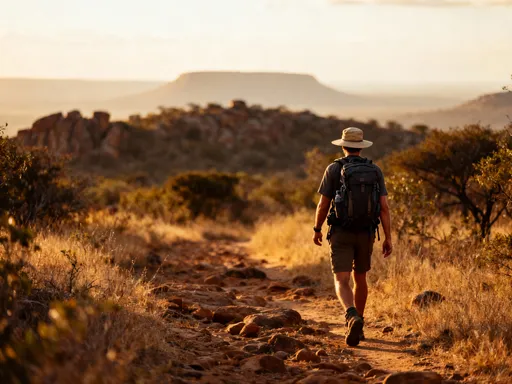
Footwear is one of the most frequently overlooked essentials. Tourists and locals alike often arrive in sandals, flip-flops, or smooth-soled sneakers, only to find themselves navigating rocky paths, loose gravel, or muddy sections after rain. Such footwear increases the risk of slips, sprains, and blisters. Proper hiking shoes with good grip and ankle support are strongly recommended, especially on trails like those found in the Moreleta Kloof Nature Reserve or the Rietvlei Wetland Reserve, where elevation changes and uneven ground are common.
Hydration is another critical factor. Pretoria experiences hot summers, with temperatures regularly exceeding 30°C (86°F), particularly between October and March. Dehydration can set in quickly, especially during midday hikes. Yet, many visitors bring only a small bottle of water or none at all. Experts recommend carrying at least two liters of water per person for a half-day visit, more if accompanied by children or pets. It’s also wise to pack electrolyte supplements or energy snacks to maintain stamina.
Sun protection is equally vital. The high altitude of Pretoria—around 1,330 meters above sea level—means stronger UV exposure. Without adequate protection, sunburn and heat exhaustion can occur within an hour. A wide-brimmed hat, UV-blocking sunglasses, and broad-spectrum sunscreen (SPF 30 or higher) should be considered non-negotiable items. Light, breathable clothing that covers the arms and legs offers additional protection against both sun and insect bites.
Practical preparation extends beyond personal gear. Checking the weather forecast the night before or early in the morning can prevent unpleasant surprises. Thunderstorms are common in summer afternoons, and flash floods have been known to affect low-lying trails near rivers. Downloading offline maps or using GPS-enabled apps such as Google Maps or Gaia GPS ensures navigation even in areas with poor signal. Some reserves provide printed trail maps at entrance gates, but availability varies. Bringing a physical map as backup is a prudent measure. By treating a visit to a protected area with the same level of preparation as a day hike in a national park, visitors significantly enhance their safety and enjoyment.
Timing Is Everything: When (and When Not) to Visit
The timing of your visit can dramatically influence the quality of your experience in Pretoria’s protected areas. Many first-time visitors arrive during midday hours, unaware that this is often the least ideal time to explore. Not only does the midday sun increase the risk of heat-related illness, but wildlife activity tends to drop sharply during the hottest part of the day. Most animals retreat to shaded areas or water sources, making sightings rare. Birds become less vocal, reptiles hide under rocks, and even insects seek shelter—turning what could be a vibrant natural encounter into a quiet, uneventful walk.
Early morning visits, particularly between 6:00 and 9:00 AM, offer the best opportunity to observe wildlife and enjoy cooler temperatures. This is when birds are most active, filling the air with song, and small mammals like duikers or mongoose may be seen foraging. The soft morning light also enhances photography and creates a peaceful atmosphere ideal for mindfulness or meditation in nature. Similarly, late afternoon—between 4:00 and 6:00 PM—is another prime window, especially in winter when days are shorter and cooler.
Seasonal timing also plays a significant role. Spring (August to October) is widely regarded as the most beautiful time to visit, when wildflowers bloom across grasslands and trees begin to leaf out. This season attracts pollinators and brings renewed energy to the ecosystem. Birdwatchers often favor autumn (April to May), when migratory species pass through on their way to warmer climates. Winter (June to July) offers crisp, clear days with excellent visibility, making it ideal for longer hikes and panoramic views, though mornings can be chilly.
Peak visitor times usually coincide with weekends and public holidays, leading to crowded parking lots and busy trails. For a more tranquil experience, consider visiting on weekday mornings when foot traffic is minimal. Families with young children might prefer Saturday mornings, when ranger-led programs are sometimes offered at larger reserves like Rietvlei or Wonderboom. However, even on busy days, choosing less popular trails or entering through secondary gates can help avoid congestion.
Some reserves have specific opening and closing times that vary by season. Most close at sunset for safety reasons, so arriving too late in the day can result in being turned away. Checking the official website or contacting the reserve office in advance ensures you don’t miss out. Ultimately, aligning your visit with natural rhythms—not just human schedules—enhances every aspect of the experience, from wildlife observation to personal comfort.
Breaking the Rules: Small Actions with Big Consequences
Despite clear signage and regulations, rule-breaking remains a persistent issue in Pretoria’s protected areas. While most infractions stem from ignorance rather than malice, their cumulative impact threatens the very ecosystems visitors come to enjoy. Littering, feeding wildlife, straying from marked paths, and ignoring restricted zones are among the most common violations—and each carries serious consequences for conservation efforts.
Litter, even biodegradable items like fruit peels or paper, disrupts natural processes. Organic waste introduces non-native microbes and attracts pests such as rats and monkeys, which then outcompete native species. Plastic waste poses an even greater danger; animals may ingest it or become entangled, leading to injury or death. Discarded bottles and wrappers also degrade the aesthetic value of the landscape, diminishing the sense of wilderness that makes these areas special.
Feeding animals, though often done with affectionate intent, is particularly harmful. Animals that grow accustomed to human food lose their natural foraging behaviors and may become dependent on handouts. This dependency alters migration patterns, increases aggression, and can lead to overpopulation in confined areas. In some cases, fed animals have been euthanized after becoming nuisances in nearby neighborhoods. Even seemingly harmless acts—like offering bread to ducks at Pienaar Dam—can cause malnutrition and disease due to improper diet.
Going off-trail may seem harmless, especially when the path appears overgrown or the shortcut looks convenient. However, unauthorized trails contribute to soil erosion, trample rare plant species, and disturb nesting sites. In sensitive habitats like wetlands or rocky outcrops, a single footstep can damage vegetation that takes years to recover. Signage exists not to restrict freedom, but to protect both visitors and the environment. Ignoring barriers or entering closed areas can also pose safety risks, including exposure to venomous snakes or unstable ground.
The solution lies in embracing the “leave no trace” ethic: take only photos, leave only footprints. This principle encourages mindfulness—packing out all trash, respecting wildlife from a distance, and staying on designated paths. Education plays a key role; many visitors are unaware of the harm caused by their actions. Rangers and information boards serve as vital tools in raising awareness. When rules are understood not as restrictions but as acts of care, compliance becomes a shared responsibility rather than an imposition.
Misjudging Accessibility and Terrain
A frequent source of disappointment—and sometimes danger—stems from misjudging the accessibility and physical demands of Pretoria’s nature trails. Many assume that because a reserve is located within city limits, all its paths are flat, paved, and suitable for strollers or wheelchairs. While some reserves do offer accessible routes, the majority feature natural terrain that can be uneven, steep, or slippery, especially after rain. This mismatch between expectation and reality can leave families, elderly visitors, or those with mobility challenges feeling excluded or stranded.
For example, the trails at Moreleta Kloof Nature Reserve, while scenic, include rocky ascents and narrow ledges that require moderate fitness and sure footing. Similarly, sections of the Apies River Corridor involve dirt paths with roots and loose stones, unsuitable for standard strollers or manual wheelchairs. Even at Wonderboom, where some areas are well-maintained, certain viewpoints require climbing steps or traversing gravel paths that may challenge those with limited mobility.
Understanding trail difficulty is essential. Most reserves classify their paths into categories such as easy, moderate, and difficult, based on distance, elevation gain, and surface type. Easy trails are typically under 3 km, mostly flat, and suitable for beginners or families with young children. Moderate trails range from 3 to 6 km, may include inclines, and require sturdy footwear. Difficult trails exceed 6 km, involve significant elevation changes, and are recommended only for experienced hikers. Checking these classifications before arrival helps set realistic expectations.
For visitors with special needs, proactive planning is crucial. Contacting the reserve office ahead of time allows staff to provide accurate information about accessible facilities, such as paved walkways, disabled parking, or restroom availability. Some reserves, like Rietvlei, have designated bird hides and boardwalks that accommodate wheelchairs and offer excellent viewing opportunities without requiring strenuous hikes. Others are working to improve inclusivity through infrastructure upgrades, but progress varies.
It’s also important to assess personal and family capabilities honestly. Pushing beyond physical limits not only risks injury but can require emergency assistance, straining limited ranger resources. Choosing a trail that matches your group’s fitness level ensures a safe, enjoyable experience for everyone. Inclusivity in nature doesn’t mean every trail must be universally accessible—it means providing accurate information so individuals can make informed choices that honor both their needs and the environment’s integrity.
Overlooking Local Knowledge and Guidance
One of the most underutilized resources in Pretoria’s protected areas is the expertise of local rangers and conservation staff. Too often, visitors enter these spaces with guidebooks or smartphone apps, assuming technology can replace human insight. While digital tools are helpful, they lack the depth, context, and adaptability that come from years of on-the-ground experience. Rangers possess real-time knowledge about trail conditions, recent animal sightings, weather patterns, and conservation projects—information that can transform a routine walk into a meaningful encounter with nature.
Many reserves offer free or low-cost guided walks led by trained rangers or volunteer naturalists. These tours provide rich storytelling, ecological explanations, and safety tips that enhance understanding and appreciation. A visitor might learn, for instance, how the jackalberry tree supports multiple species, why certain flowers bloom only after fire, or how bird calls signal the time of day. Such insights deepen the connection between people and place, fostering a sense of stewardship.
Guided experiences also promote safety. Rangers know which areas to avoid after heavy rain, where snakes are commonly seen, and how to respond to unexpected wildlife encounters. They can advise on the best viewing spots for birds or antelope and point out subtle signs of animal presence—tracks, droppings, or broken branches—that casual visitors might miss. For families with children, these walks often include interactive elements like scavenger hunts or plant identification games, making nature education engaging and fun.
Beyond formal tours, simply stopping by the visitor center or checking in at the entrance gate can yield valuable information. Staff can confirm trail closures, recommend routes based on your time and fitness level, and provide updates on seasonal highlights. Some areas, particularly those with sensitive habitats or research programs, require permits or have restricted zones accessible only with a guide. Failing to check these requirements can result in denied entry or unintentional trespassing.
Engaging with local knowledge also supports community-based conservation. Many rangers are drawn from nearby neighborhoods, and their employment contributes to local economic development. By valuing their expertise, visitors help sustain these programs and reinforce the idea that conservation is a shared mission. Asking questions, listening to stories, and showing respect for their work fosters mutual understanding and strengthens the human-nature connection that lies at the heart of protected areas.
Turning Awareness into Respect: How to Be a Better Visitor
Ultimately, the goal of visiting Pretoria’s protected areas should extend beyond personal enjoyment to active stewardship. Every choice a visitor makes—what to bring, where to walk, how to behave—has ripple effects on the environment. By shifting from passive tourism to mindful engagement, individuals can become allies in conservation rather than accidental threats. This transformation begins with awareness but must culminate in consistent, respectful action.
Staying on marked trails is one of the simplest yet most impactful habits. It prevents soil compaction, protects plant life, and reduces the risk of disturbing wildlife. Keeping noise levels low—avoiding loud conversations, music, or shouting—allows animals to behave naturally and enhances the tranquility that draws people to these spaces. Respecting quiet hours, especially near dawn and dusk, supports both wildlife and other visitors seeking peace.
Supporting eco-friendly practices makes a difference too. Choosing reusable water bottles, avoiding single-use plastics, and packing waste-free lunches reduce environmental impact. Opting for public transport, carpooling, or cycling to the reserve when possible lowers carbon emissions and eases parking congestion. Some visitors go further by participating in clean-up days, tree planting events, or citizen science projects like bird counts, contributing directly to conservation efforts.
Education plays a powerful role in shaping future behavior. Parents and teachers can use visits as opportunities to teach children about biodiversity, sustainability, and environmental ethics. Explaining why we don’t feed animals or pick flowers helps instill values that last a lifetime. Schools that incorporate field trips to local reserves foster a generation of environmentally conscious citizens.
Finally, reframing the way we see these spaces is essential. Protected areas are not static attractions or backdrops for social media photos—they are dynamic, living systems that sustain life in countless ways. They filter our air and water, regulate climate, and provide solace in an increasingly urbanized world. When we visit them, we are guests in a complex web of relationships that have evolved over millennia. Treating them with humility, curiosity, and care ensures they remain vibrant for generations to come. The next time you plan a visit to Wonderboom, Pienaar Dam, or any of Pretoria’s natural treasures, remember: the best way to enjoy them is to protect them.