What Happens When You Hit the Road in Jeddah? My Self-Drive Adventure Unfolds
Driving through Jeddah isn’t just about getting from point A to B—it’s a front-row seat to the city’s pulse. I grabbed the wheel, chased the coastline, and stumbled upon hidden corners most travelers miss. From the buzz of Al-Balad to the serenity of the Red Sea shoreline, self-driving opened doors I didn’t know existed. This is more than a trip; it’s freedom with a soundtrack of waves and winding roads. With the sun rising over the minarets and the scent of cardamom coffee drifting through open windows, every mile revealed a new layer of this coastal gem. Jeddah, Saudi Arabia’s gateway to the Red Sea, pulses with contrasts—ancient alleys beside modern boulevards, bustling souks next to tranquil beaches. And behind the wheel, I discovered it all at my own rhythm.
Why Self-Driving in Jeddah Changes Everything
Traveling through Jeddah with your own car is like holding a master key to the city. Unlike rigid tour schedules or the limitations of public transport, self-driving grants you the power to shape your journey. You decide when to pause at a seaside café, linger in a quiet market, or reroute on a whim to catch the sunset over the water. This flexibility transforms a standard itinerary into a personalized narrative. For families, couples, or solo travelers, the ability to move freely is not just convenient—it’s empowering. No longer dependent on third-party logistics, you become the architect of your own discovery.
Guided tours offer valuable insights, but they often skim the surface, moving in lockstep with group dynamics. In contrast, driving allows deeper immersion. You can arrive early at popular sites to avoid crowds, or return in the golden evening light when shadows stretch and temperatures cool. Want to stop at a local juice stand recommended by a passerby? No need to ask permission—just pull over. The autonomy of self-driving fosters spontaneity, turning chance encounters into cherished memories. It’s the difference between observing a culture and feeling part of it, even if just for a day.
Jeddah’s road infrastructure supports this independence remarkably well. Wide, well-maintained highways connect key districts, while secondary roads wind through residential neighborhoods and coastal stretches with clear signage in Arabic and English. GPS navigation tools like Google Maps and Apple Maps function reliably, making it easy to plan routes in advance or adjust on the fly. Rental agencies across the city offer well-maintained vehicles with automatic transmission, air conditioning, and satellite navigation—essential comforts in the warm climate. Even first-time visitors with limited experience driving in the region can feel confident navigating the city’s thoroughfares with proper preparation.
Moreover, self-driving expands access to areas often overlooked by conventional tours. While many visitors focus on the Corniche or Al-Balad, having a car opens the door to quieter coastal inlets, neighborhood mosques with striking architecture, and local bakeries where residents line up for freshly baked samosas. These moments of authenticity are difficult to capture within the confines of a group itinerary. In Jeddah, the real magic often lies just off the beaten path—accessible only to those willing to take the wheel and explore.
The Coastal Route: Where the City Meets the Sea
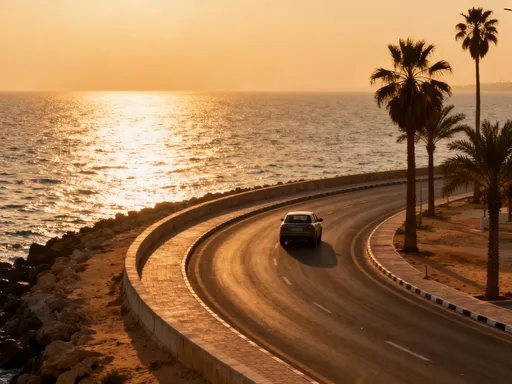
One of the most rewarding drives in Jeddah is along the Corniche Road, a scenic ribbon that traces the edge of the Red Sea. Stretching for over 30 kilometers, this route offers an ever-changing panorama of turquoise waters, swaying palm trees, and vibrant public spaces. As the sun climbs, families gather in seaside parks, children chase kites on the sand, and fishermen cast their lines from concrete jetties. The road itself is smooth and well-marked, with designated viewpoints and parking areas that invite travelers to pause and take it all in.
Morning drives along the Corniche are especially serene. The air carries a salty freshness, and the light softens the city’s edges, casting long reflections on the water. I found myself stopping frequently—not out of necessity, but out of wonder. At one overlook, I watched a pod of dolphins break the surface in the distance, their sleek forms gliding through the waves. At another, I snapped photos of a traditional wooden dhow being loaded with supplies, a quiet reminder of Jeddah’s maritime heritage. These unplanned moments became highlights, impossible to schedule but unforgettable when they occurred.
As the day progresses, the Corniche transforms. Cafés and juice stalls along the route come alive, offering cold hibiscus drinks, fresh coconut water, and sweet mango blends. Pulling over for a midday refreshment became a ritual. One favorite stop was a simple roadside stand where an elderly vendor served sugarcane juice pressed on the spot, the green stalks fed into a hand-cranked machine that dripped golden liquid into chilled glasses. It was the kind of authentic interaction that lingers in memory long after the journey ends.
But the true magic of the coastal drive unfolds at dusk. As the sun dips below the horizon, the sky ignites in hues of amber, rose, and lavender. Couples stroll hand in hand, children fly kites against the fading light, and the city’s skyline begins to twinkle. Parking near one of the public beaches, I sat on the hood of the car and listened to the rhythm of the waves, the hum of distant traffic blending with the sea’s gentle pulse. In that moment, Jeddah felt not just like a destination, but a living, breathing companion on the journey.
Al-Balad: Stepping Into History on Your Own Terms
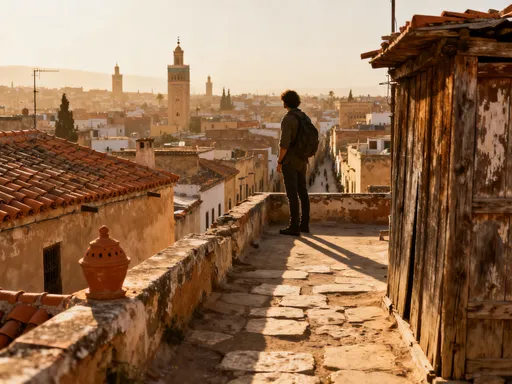
No visit to Jeddah is complete without exploring Al-Balad, the city’s historic heart and a UNESCO World Heritage site. This ancient district, once a vital stop on the pilgrimage route to Makkah, is a labyrinth of coral-block buildings, intricately carved wooden windows, and narrow alleyways that whisper stories of centuries past. While many tourists arrive by taxi or tour bus, driving allows you to approach Al-Balad on your own terms—choosing your entry point, timing your visit, and avoiding the midday rush.
One advantage of self-driving is access to nearby parking zones just outside the main pedestrian areas. This means you can arrive early, before the heat intensifies and the crowds gather. I entered through Bab Makkah, one of the old city gates, and immediately felt transported. The scent of oud and spices hung in the air, mingling with the warmth of sun-baked stone. Women in colorful abayas browsed fabric stalls, while men sipped tea in shaded courtyards. Every corner revealed something new—a hand-painted sign in Naskh script, a hidden courtyard garden, a craftsman restoring a traditional window frame with meticulous care.
Walking through Al-Balad after parking nearby allows for a more intimate experience. Without the pressure of a group schedule, I wandered at my own pace, stopping to photograph ornate wooden balconies known as *rawashin*, or to chat with a shopkeeper selling handmade sandals. Some alleys opened into small plazas where children played, while others led to quiet mosques with delicate tile work. The sensory richness—textures, sounds, aromas—was overwhelming in the best way. And because I had my car waiting just a short walk away, I could return to it easily, refreshed and inspired.
Al-Balad also showcases Jeddah’s evolving cultural identity. In recent years, restoration projects have revitalized many historic buildings, some of which now house art galleries, cultural centers, and boutique cafes. Street art has emerged as a vibrant form of expression, with murals celebrating Saudi heritage and maritime history. Driving to Al-Balad allowed me to witness this blend of preservation and innovation firsthand, appreciating how the past and present coexist in dynamic harmony.
Hidden Gems Only Drivers Can Reach
While Al-Balad and the Corniche attract most visitors, some of Jeddah’s most authentic experiences lie beyond the tourist trail—accessible only by car. These hidden gems offer a glimpse into daily life, away from the curated facades of major attractions. One such spot is a quiet coastal lookout near Al-Sharafiyah, where locals gather in the late afternoon to escape the city’s bustle. With no formal signage or facilities, this place is easy to miss—yet unforgettable once found. Perched on low concrete walls, I watched fishermen mend their nets while children played in the shallow surf.
Another discovery was a small roadside date market on the outskirts of the city. Unlike the polished souks in central Jeddah, this was a no-frills operation: wooden crates filled with varieties of dates—Sukkari, Ajwa, Khalas—displayed under a simple canopy. The vendor, a man in his sixties with sun-weathered hands, offered samples with pride, explaining the differences in sweetness and texture. Buying a kilo to take back to the hotel felt like more than a transaction—it was a connection, brief but meaningful.
Secluded beach access points are another perk of self-driving. While public beaches along the Corniche are well-maintained and family-friendly, they can become crowded on weekends. By venturing a bit further—sometimes just ten minutes off the main road—I found stretches of shoreline where the sand was undisturbed and the only footprints were my own. These moments of solitude, with nothing but the sound of waves and the cry of gulls, offered a rare sense of peace.
Reaching these places requires a willingness to explore and a reliable GPS. Road conditions in these areas are generally good, though some side streets may be narrower or less illuminated. Signage is improving, but it’s wise to download offline maps as a backup. Most importantly, driving allows you to move with curiosity rather than constraint, following local traffic patterns and trusting your instincts. The reward? Experiences that feel personal, unscripted, and deeply real.
Fuel, Food, and Pit Stops: The Realities of the Road
No road adventure is complete without attention to the practicalities of travel. In Jeddah, refueling is straightforward, with gas stations—known locally as petrol stations—strategically located along major roads and within residential districts. Most offer self-service and full-service options, with attendants often providing complimentary windshield cleaning and tire pressure checks. Fuel prices are among the lowest in the world, making long drives economically feasible. It’s advisable to keep the tank at least half full, especially when exploring less-traveled routes where stations may be sparse.
Staying nourished on the road is equally important. The Arabian sun can be intense, particularly between noon and 3 PM, so hydration is essential. I kept a cooler in the car stocked with bottled water, electrolyte drinks, and fresh fruit. Snacks like dried dates, nuts, and yogurt bars provided quick energy without mess. For longer stretches, I relied on drive-thru options at popular local chains, where I could order grilled chicken sandwiches, lentil soup, or falafel wraps without leaving the car.
Convenience stores, known as minimarts, are widely available and well-stocked. Brands like Tamimi Markets and Circle K offer everything from cold beverages to ready-to-eat meals, pastries, and even prayer mats for travelers. These stops also serve as safe, air-conditioned spaces to rest, check maps, or make brief calls. When possible, I chose to pause during midday hours, using the time to recharge—both the car and myself—before continuing in the cooler evening light.
Food choices reflect local culture and dietary norms. Pork products are not available, in accordance with Islamic principles, but halal-certified meats and plant-based options are abundant. Many roadside vendors and small eateries specialize in regional specialties like *mutabbaq* (stuffed pastry), *jareesh* (cracked wheat stew), and *luqaimat* (sweet dumplings). Eating on the go doesn’t mean sacrificing authenticity—in fact, some of the best flavors are found in these simple, everyday settings.
Navigating Culture and Etiquette Behind the Wheel
Driving in Jeddah is not just a logistical act—it’s a cultural experience. Understanding local norms ensures a smoother, more respectful journey. Traffic in the city is generally orderly, though drivers may use their horns more frequently than in Western countries. A short beep often signals presence rather than aggression, especially at intersections or when merging. Excessive honking, however, is discouraged and can be seen as impolite, particularly in residential areas.
Overtaking should be done with caution and only when clearly safe. While some drivers may move quickly, maintaining a steady, predictable pace is valued. Using turn signals and checking blind spots are essential, not only for safety but as signs of courtesy. Mobile phone use while driving is prohibited, and enforcement cameras are common. It’s best to rely on hands-free systems or pull over for calls and navigation checks.
Traffic patterns shift noticeably during prayer times, especially Friday midday prayers, when many roads become quieter as families return home. Weekends in Saudi Arabia fall on Friday and Saturday, so city centers and recreational areas tend to be busiest then. Planning drives around these rhythms helps avoid congestion and enhances the overall experience. For female travelers, driving is now fully permitted and widely supported, with rental agencies providing equal access. Many women drive confidently through Jeddah, contributing to the city’s evolving mobility landscape.
Respect extends beyond the road. When parking near mosques or residential buildings, it’s wise to avoid blocking driveways or private entrances. Similarly, taking photos from the car should be done discreetly, especially in neighborhoods where privacy is valued. By observing these small courtesies, travelers demonstrate appreciation for local customs and contribute to positive cross-cultural exchange.
Why This Journey Stays With You
Looking back, my self-drive adventure through Jeddah was more than a series of destinations—it was a journey of discovery, independence, and connection. Each mile behind the wheel deepened my understanding of the city, revealing layers that would have remained hidden on a conventional tour. The freedom to stop, observe, and engage on my own terms transformed sightseeing into storytelling. I didn’t just visit Jeddah; I lived within its rhythms, even if only for a few days.
There’s a quiet power in driving through a foreign city, learning its streets like a second language. The way the light changes at different times of day, the shift in sounds from bustling markets to silent alleys, the unexpected kindness of a stranger pointing the way—these moments accumulate into a deeper sense of place. Jeddah, with its blend of tradition and modernity, its coastal soul and urban energy, revealed itself gradually, like a book read slowly and with care.
This kind of travel stays with you because it is participatory. You are not a passive observer but an active explorer, making choices that shape your experience. And with that agency comes responsibility—to drive safely, to respect local customs, to leave places as you found them. In Jeddah, freedom and respect are not opposites; they are companions on the road.
To anyone considering a self-drive journey through this vibrant city, I offer this encouragement: take the wheel, plan thoughtfully, and travel with an open heart. Let the road unfold before you, not as a path to a destination, but as a journey of its own. In Jeddah, every turn holds a story, every stop a memory waiting to be made. And when you return home, you won’t just carry photos—you’ll carry the quiet certainty that you’ve truly been there.