You Won’t Believe These Hidden Natural Escapes in Daegu
Who knew a bustling South Korean city like Daegu hides such breathtaking natural sanctuaries? I was blown away by how easily you can escape the urban buzz and step into lush mountains, serene valleys, and protected green spaces. These areas aren’t just beautiful—they’re carefully preserved for future generations. Let me take you through the must-visit protected zones where nature and tranquility thrive, even in the heart of the city.
Discovering Daegu’s Green Heart
Often recognized for its textile industry and historical significance, Daegu is increasingly gaining attention as a model of urban-natural coexistence. While it ranks among South Korea’s largest cities, its landscape is uniquely interwoven with protected forests, river corridors, and conservation-focused parks. This green infrastructure is not accidental—it reflects decades of municipal planning aimed at preserving biodiversity and enhancing residents’ quality of life. What makes Daegu special is how seamlessly these natural escapes integrate with city living. Within just 30 minutes from downtown, you can trade concrete sidewalks for moss-covered trails and the hum of traffic for the rustle of leaves in the wind.
These protected areas serve vital ecological functions. They act as carbon sinks, improve air quality, and help regulate urban temperatures—especially important during Daegu’s hot summers. But beyond their environmental value, they offer something deeply personal: a chance to reconnect with nature. Studies show that even short visits to green spaces reduce stress, improve mood, and enhance mental clarity. For busy mothers, professionals, or anyone juggling daily responsibilities, such moments of calm are not luxuries—they’re necessities. Daegu’s natural sanctuaries provide accessible retreats where one can breathe deeply, walk slowly, and feel grounded again.
The contrast between city and countryside is part of what makes these escapes so powerful. One moment, you're navigating busy streets lined with cafes and markets; the next, you're standing beneath towering pines on a quiet mountain path. This duality allows residents and visitors alike to enjoy the conveniences of modern life while knowing that peace is never far away. It’s a reminder that urban development and environmental protection don’t have to be at odds—they can coexist in harmony when guided by thoughtful policies and public appreciation.
Dongdaegu’s Mountain Sanctuaries: Palgongsan at Dawn
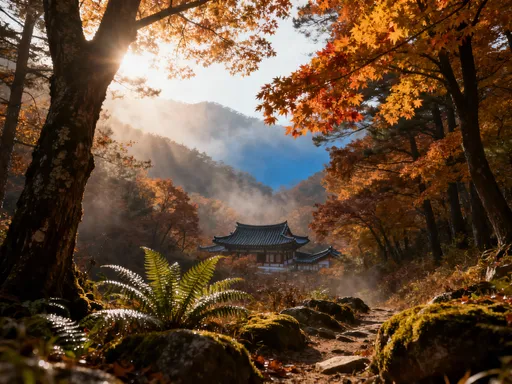
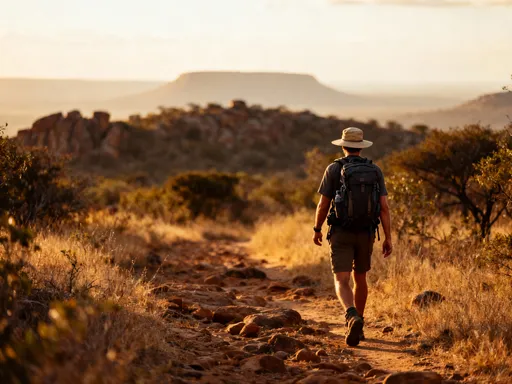
Rising prominently to the east of the city, Palgongsan Provincial Park stands as one of Daegu’s most cherished natural treasures. Designated as a provincial park, this mountain range spans over 60 square kilometers and supports a rich diversity of plant and animal life. Its well-maintained trails wind through dense hardwood forests, past crystal-clear streams, and up to panoramic viewpoints that offer sweeping vistas of the surrounding region. Early morning hikes here are particularly magical—when mist clings to the treetops and the first light filters through the canopy, creating a soft golden glow along the paths.
One of the most popular entry points is via the Donghwasa Temple trail, which begins at the foot of the mountain near the Dongdaegu Station area. This route combines spiritual and scenic elements, leading hikers past the striking red gates and pagodas of Donghwasa, a 5th-century Buddhist temple nestled into the mountainside. The temple itself is an active place of worship and meditation, adding a layer of cultural depth to the experience. Visitors often pause here before ascending, taking a moment to absorb the stillness and reflect. From the temple, several trails branch out, ranging from moderate inclines suitable for families to steeper climbs for more experienced trekkers.
Seasonal changes dramatically shape the Palgongsan experience. In spring, cherry and azalea blossoms paint the hillsides in soft pinks and whites. Summer brings deep green foliage and shaded trails perfect for cooling off. Autumn transforms the park into a fiery tapestry of red, orange, and gold—making it one of the most sought-after foliage destinations in the region. Even winter offers its own quiet beauty, with frost-laden branches and fewer crowds allowing for a more meditative journey. For those hoping to avoid peak times, visiting on weekday mornings or during shoulder seasons ensures a more peaceful experience.
Getting to Palgongsan is straightforward. Public buses connect major subway stations to trailheads, and clear signage in both Korean and English helps orient international visitors. Comfortable walking shoes, water, and a light snack are recommended, especially for longer routes. While there are rest areas and small kiosks along the way, bringing supplies ensures a more enjoyable trip. Above all, the sense of accomplishment—and serenity—after reaching a summit or completing a loop trail makes every step worthwhile.
The Quiet Beauty of Siji National Arboretum
Nestled in the southern reaches of Daegu, the Siji National Arboretum offers a different kind of natural immersion—one focused on conservation, education, and quiet contemplation. Unlike wilder mountain parks, this space is thoughtfully curated to showcase Korea’s native flora while promoting ecological awareness. Spread across hundreds of acres, the arboretum is divided into thematic zones, each designed to highlight specific plant communities and ecosystems. Walking through it feels like moving through a living museum, where every path tells a story about the country’s botanical heritage.
One of the most enchanting areas is the wildflower meadow, which bursts into color from late spring through early summer. Native species like Korean bellflowers, asters, and irises sway gently in the breeze, attracting pollinators and delighting visitors with their vibrant hues. Nearby, a tranquil bamboo grove offers shade and a soothing rustling soundtrack with every passing gust. The tall, slender stalks create a sense of enclosure, making this spot ideal for quiet reflection or a peaceful family stroll. A dedicated wetland trail winds through reed beds and shallow ponds, home to frogs, dragonflies, and aquatic plants that play crucial roles in water filtration and habitat support.
The arboretum is more than just a scenic destination—it serves as a center for plant preservation and research. Scientists and horticulturists work here to propagate endangered native species and study the effects of climate change on local vegetation. Educational signage throughout the grounds explains these efforts in simple, accessible language, making it an excellent destination for families with children. Interactive displays and seasonal workshops help visitors understand the importance of biodiversity and the role each person can play in protecting it.
Visitors often comment on the calming atmosphere of the arboretum. Unlike busier parks, the emphasis here is on mindfulness and connection. Benches are thoughtfully placed beneath trees, inviting pauses and quiet observation. Birdsong is common, and the air carries the subtle scent of pine and damp earth. For those seeking a slower-paced, more reflective outing, Siji offers a sanctuary where time seems to slow down. The well-paved paths are stroller-friendly, restrooms are clean and accessible, and small cafés nearby provide light refreshments, making it a comfortable destination for all ages.
Streamside Serenity: The Duryu Park Wetlands
Along the banks of the Geumho River, Duryu Park blends recreational space with ecological protection, creating a unique urban wetland zone that supports both people and wildlife. While much of the park is designed for leisure—featuring sports fields, playgrounds, and picnic areas—the western section has been carefully preserved as a natural habitat. Elevated boardwalks meander through reedy marshes and shallow pools, allowing visitors to observe the delicate wetland ecosystem without disturbing it. This area is especially important for migratory birds, serving as a seasonal stopover for species traveling along the East Asian-Australasian Flyway.
From late fall through early spring, birdwatchers may spot grey herons, kingfishers, and even the occasional mandarin duck gliding across the water or perched quietly among the reeds. The wetlands also play a critical role in water purification, filtering runoff before it reaches the river. Educational panels along the boardwalk explain these processes in clear, engaging language, helping visitors appreciate the unseen work nature performs every day. For children, this is a chance to see ecology in action—how plants, insects, and birds all contribute to a balanced environment.
Families are drawn to this area not only for its natural value but also for its accessibility. The boardwalks are flat and stroller-friendly, making it easy for young children and older adults to explore. Nearby, open lawns invite picnics under the trees, and shaded seating areas provide places to rest and enjoy the view. Small kiosks sell drinks and snacks, and public restrooms are regularly maintained. On weekends, it’s common to see parents flying kites with their kids or couples walking hand-in-hand along the riverbank. The blend of recreation and conservation makes Duryu Park a model of sustainable urban design.
Despite its popularity, the wetland area remains surprisingly peaceful. The design encourages quiet enjoyment—loud noises and pets are gently discouraged to protect wildlife. Early mornings are especially serene, when the river is still and the air is cool. Fog sometimes drifts across the water, creating a dreamlike atmosphere perfect for photography or meditation. Whether you come to learn, relax, or simply take a refreshing walk, the Duryu Park wetlands offer a rare glimpse of nature thriving in the heart of the city.
How to Visit Responsibly
As more people discover Daegu’s natural escapes, the need for responsible tourism grows ever more important. These protected areas are not just recreational spaces—they are fragile ecosystems that require care and respect. One of the simplest yet most impactful actions visitors can take is to stay on marked trails. Venturing off-path may seem harmless, but it can lead to soil erosion, trampled vegetation, and disturbance to nesting animals. Trail markers are placed not only for safety but also to minimize human impact on sensitive habitats.
Littering, even of biodegradable items like fruit peels, should be avoided. Organic waste can introduce non-native seeds or disrupt natural decomposition processes. Always carry a small bag for trash and dispose of it properly upon leaving. Better yet, bring reusable water bottles, containers, and utensils to reduce waste from the start. Many parks now feature refill stations, making it easier than ever to travel sustainably.
Respecting wildlife means observing from a distance and never feeding animals. Human food can be harmful to birds and small mammals, and feeding them can make them dependent on handouts, altering their natural behaviors. Similarly, keeping noise levels low helps maintain the tranquility of these spaces for all visitors and minimizes stress on animals. Children should be gently reminded to speak softly and avoid sudden movements near water or dense foliage.
Choosing to visit during off-peak hours not only enhances your own experience but also reduces pressure on the environment. Fewer people mean less strain on trails, restrooms, and parking areas. It also increases your chances of spotting wildlife, as animals are more active when human presence is low. Ultimately, mindful travel is about recognizing that we are guests in these spaces. By treading lightly and acting with care, we ensure that Daegu’s natural wonders remain vibrant for generations to come.
Best Times to Experience Each Site
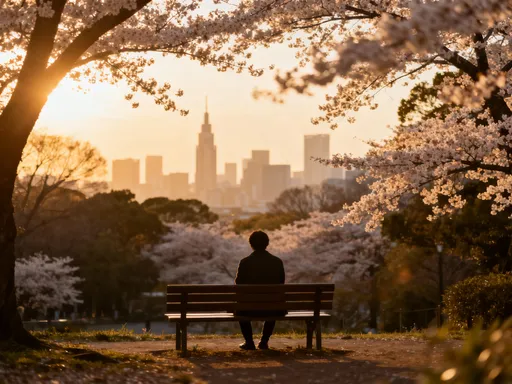
Timing your visit can make a significant difference in the quality of your experience. Each season brings unique rewards to Daegu’s protected areas, and aligning your trip with natural rhythms enhances both enjoyment and comfort. Spring, from March to May, is arguably the most popular time to visit. Cherry blossoms bloom in late March to early April, particularly around Palgongsan and Duryu Park, drawing visitors with their fleeting beauty. Wildflowers begin to emerge in the arboretum, and temperatures are mild—ideal for long walks without overheating.
Summer, while warmer, offers its own advantages. The dense tree canopy in Palgongsan and Siji provides ample shade, making hikes cooler than in the city. Early mornings and late afternoons are best for avoiding midday heat. This is also the season when wetlands are most alive—frogs croak in the reeds, dragonflies dart across the water, and lush greenery creates a refreshing visual feast. Air quality tends to be better in forested areas, offering relief from urban pollution.
Autumn, from September to November, is a favorite among photographers and nature lovers. The changing leaves in Palgongsan reach peak color in mid- to late October, when maples and ginkgos set the hills ablaze with red and gold. The arboretum’s collection of deciduous trees mirrors this transformation, creating a colorful mosaic along the walking paths. Cooler temperatures make hiking more comfortable, and the crisp air adds to the sense of renewal.
Winter, though quieter, should not be overlooked. With fewer tourists, the parks become peaceful retreats for solitude and reflection. Frost-covered branches, bare trees silhouetted against the sky, and the soft crunch of snow underfoot offer a different kind of beauty. While some facilities may have reduced hours, the trails remain open, and the experience of walking in near-silence can be deeply restorative. Additionally, cultural events such as temple lantern festivals occasionally coincide with winter holidays, adding a gentle glow to the season’s stillness.
Why These Protected Areas Matter Beyond Tourism
While the scenic beauty of Daegu’s natural spaces draws visitors, their importance extends far beyond aesthetics. These areas are vital components of the city’s environmental health. They filter air pollutants, absorb carbon dioxide, and help manage stormwater runoff—functions that become increasingly crucial as urbanization expands. Trees and wetlands act as natural air conditioners, reducing the urban heat island effect that makes cities significantly warmer than surrounding rural areas.
Equally important is their role in supporting mental and emotional well-being. In a world where constant connectivity and fast-paced lifestyles dominate, access to quiet, green spaces offers a necessary counterbalance. Time spent in nature has been scientifically linked to reduced anxiety, improved concentration, and enhanced mood. For mothers, caregivers, and working professionals, these benefits are not abstract—they translate into real, tangible improvements in daily life. A single hour-long walk in the arboretum or along the river can reset the mind and restore a sense of calm.
Moreover, these protected zones serve as outdoor classrooms, fostering environmental awareness from an early age. Children who grow up visiting parks, observing wildlife, and learning about conservation are more likely to develop a lifelong commitment to protecting nature. Schools in Daegu often organize field trips to Siji Arboretum or Duryu Park, integrating hands-on learning into the curriculum. These experiences plant seeds of stewardship that can grow into future careers in ecology, urban planning, or sustainability.
On a broader scale, Daegu’s commitment to preserving natural spaces sets an example for other cities facing similar challenges. It demonstrates that economic development and environmental protection can go hand in hand. By investing in green infrastructure, cities become more resilient to climate change, more livable for residents, and more attractive to visitors. These protected areas are not just escapes—they are essential parts of a healthy, balanced urban ecosystem.