You Won’t Believe These Hidden Cultural Gems in Cairns
When most people think of Cairns, they picture the Great Barrier Reef or the rainforest. But beyond the postcard views, there’s a quieter, more soulful side waiting to be discovered. I’m talking about intimate cultural spaces—art hubs, Indigenous experiences, and local studios—where the real spirit of North Queensland comes alive. This isn’t the tourist trail; it’s the authentic heartbeat of the city, and it’s absolutely worth your time. While snorkeling among coral gardens and riding the Skyrail through misty canopies are unforgettable, true connection often comes not from what you see, but from whom you meet and what stories you hear. In Cairns, culture isn’t confined to museums—it pulses in dance performances, flourishes on street corners, and unfolds in markets where tradition and creativity intertwine. For travelers seeking depth, meaning, and a sense of place, these hidden gems offer a journey that lingers long after the tan fades.
Reimagining Cairns: Beyond the Reef and Rainforest
Cairns is often celebrated as a gateway to natural wonders, and rightly so. The Great Barrier Reef, the Wet Tropics World Heritage Area, and the scenic coastal drive to Cape Tribulation draw millions each year. Yet, beneath the surface of these iconic landscapes lies a cultural tapestry just as rich and compelling. Too often, visitors skim the surface, ticking off attractions without pausing to understand the people and histories that shape this vibrant region. The truth is, the soul of Cairns cannot be captured in a single underwater photo or a zip-line across the canopy. It reveals itself in the rhythm of a didgeridoo at dusk, in the intricate patterns of a woven basket, and in the quiet pride of an artist explaining their work.
The city’s cultural identity is deeply rooted in its Indigenous heritage, particularly the Yirrganydji and Djabugay peoples, whose connection to this land spans tens of thousands of years. Their presence is not a relic of the past but a living, evolving force that continues to influence art, storytelling, and community life. At the same time, Cairns has grown into a multicultural hub, shaped by waves of migration from South Asia, the Pacific Islands, and beyond. This blend of ancient tradition and modern diversity creates a unique cultural ecosystem—one that thrives in galleries, performance spaces, and community events often overlooked by mainstream tourism.
Exploring these cultural dimensions transforms a holiday from a series of scenic stops into a meaningful exchange. It invites travelers to move beyond observation and into engagement. When you listen to an Elder share Dreamtime stories, or watch a young artist paint with ochre on bark, you’re not just learning about a culture—you’re participating in its continuation. These moments foster empathy, deepen understanding, and create memories that are both personal and profound. For the thoughtful traveler, especially those who value authenticity and connection, Cairns’ cultural offerings are not a side trip—they are the heart of the journey.
Tjapukai Aboriginal Cultural Park: Tradition in Motion
Nestled in the foothills just outside Cairns, Tjapukai Aboriginal Cultural Park stands as one of Australia’s most respected Indigenous experiences. More than a museum or performance venue, it is a living celebration of Aboriginal culture, where history, art, and storytelling come alive through immersive experiences. From the moment visitors are welcomed with a traditional smoking ceremony, they are invited into a world where the past is not distant but vibrantly present. The park’s name, derived from the local Djabugay language, means “belonging to the rainforest people,” and every element of the experience reflects this deep connection to land, language, and lore.
One of the most powerful offerings at Tjapukai is the daytime cultural presentation, where visitors learn about bush tucker, traditional weapons, and dance. Knowledgeable cultural ambassadors guide guests through interactive displays, demonstrating how boomerangs are thrown, how fire is made without matches, and how ancestral stories are encoded in song and movement. These sessions are not performances in the conventional sense—they are acts of cultural sharing, delivered with pride and warmth. Children and adults alike are often invited to participate, clapping rhythms or trying their hand at weaving, creating a sense of inclusion that is both rare and deeply moving.
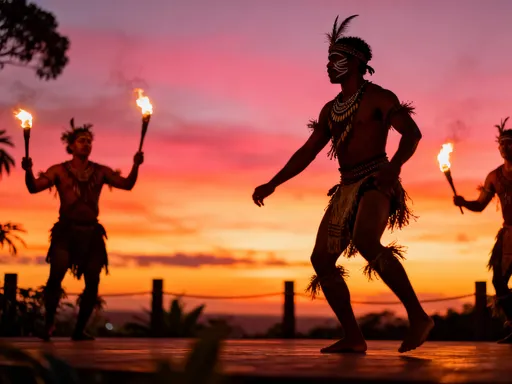
Even more captivating is the evening experience, the Dreamtime Spectacular. As night falls, the open-air theater comes alive with music, fire, and dance, weaving together stories from across Aboriginal Australia. The show unfolds beneath a canopy of stars, with dramatic lighting and projections enhancing the emotional depth of the narratives. Stories of creation, survival, and spiritual connection are told through powerful choreography and live narration, leaving many visitors visibly moved. The final scene, a tribute to the resilience of First Nations peoples, often brings audiences to their feet in respectful applause.
What sets Tjapukai apart is its commitment to authenticity and community ownership. The park is operated by Indigenous Australians, ensuring that the stories shared are told from within the culture, not interpreted from the outside. This model of cultural tourism—led by and for the community—sets a standard for ethical engagement. Visitors are encouraged to ask questions, listen deeply, and approach the experience with humility. By doing so, they contribute to the preservation of traditions that might otherwise be at risk. For families, couples, and solo travelers alike, a visit to Tjapukai is not just educational—it is transformative.
Centre of Contemporary Arts (COCA): Where Local Talent Shines
In the heart of Cairns’ central business district, tucked between cafes and boutiques, lies the Centre of Contemporary Arts—commonly known as COCA. This dynamic space serves as a creative nucleus for the region, showcasing the work of emerging and established artists from Far North Queensland. Unlike traditional galleries that can feel formal or distant, COCA radiates warmth and accessibility. Its open layout, natural light, and welcoming staff make it an inviting destination for locals and visitors alike. Here, art is not behind glass—it is meant to be felt, discussed, and celebrated.
COCA’s rotating exhibitions feature a diverse range of media, from bold acrylic paintings inspired by the reef and rainforest to experimental installations that explore identity, climate, and community. Recent shows have included photographic essays on coastal life, textile art using natural dyes, and mixed-media works that blend digital elements with traditional techniques. What unites these pieces is a strong sense of place—each artwork reflects the unique environment and cultural mix of the region. The gallery also hosts live music nights, poetry readings, and artist talks, turning the space into a true cultural hub where creativity flows in multiple directions.
Beyond exhibitions, COCA plays a vital role in nurturing local talent. It offers workshops for children and adults, covering everything from printmaking to digital storytelling. These programs are especially popular with families, providing a meaningful way to spend a few hours together while learning new skills. For aspiring artists, the center provides mentorship opportunities, studio space, and pathways to exhibition. This investment in community creativity ensures that Cairns’ artistic voice continues to grow and evolve.
Supporting COCA is more than a cultural choice—it is an act of community stewardship. Like many regional arts organizations, it operates with limited funding and relies heavily on public attendance and donations. Every ticket purchased, every workshop attended, helps sustain the local arts ecosystem. For travelers, a visit to COCA offers a chance to see Cairns through the eyes of its residents. It’s a reminder that culture is not static; it is shaped by the people who live it every day. Whether you spend an hour browsing the latest exhibition or join a weekend painting class, you become part of that creative story.
Hartley’s Creek and the Hidden Street Art Trail
Just a short walk from Cairns Esplanade, where tourists gather for sunset views over the lagoon, lies an unexpected treasure: the Hartley’s Creek street art trail. What was once an unremarkable drainage channel has been transformed into a vibrant open-air gallery, thanks to the vision of local artists and community groups. Along the concrete walls and bridge underpasses, murals burst with color, depicting tropical birds, coral patterns, ancestral figures, and scenes of daily life in Far North Queensland. This is not graffiti—it is public art with purpose, telling stories that reflect the region’s identity, values, and natural beauty.
The street art movement in Cairns has grown steadily over the past decade, driven by a desire to beautify urban spaces and amplify local voices. Many of the artists are Indigenous or have deep ties to the community, using their work to celebrate culture, raise awareness about environmental issues, and inspire pride in place. One striking mural features a Djabugay elder surrounded by native plants, with text in both English and traditional language. Another depicts a sea turtle swimming through a coral garden, its shell embedded with symbols representing different clans. These pieces do more than decorate—they educate, honor, and connect.
Walking the trail is a self-guided experience that can take anywhere from 30 minutes to an hour, depending on how closely you examine each piece. The best time to visit is early morning or late afternoon, when the light is soft and the humidity is lower. The path is flat and accessible, making it suitable for all ages and mobility levels. Along the way, interpretive signs provide background on the artists and themes, enriching the experience without overwhelming it. For families, it’s an engaging way to explore art outside a formal setting—children often delight in spotting hidden animals or learning the meanings behind the symbols.
The Hartley’s Creek trail is a testament to what can happen when communities invest in creative expression. It began as a grassroots initiative and has since gained recognition as a must-see destination for culturally minded travelers. Unlike curated galleries, this space feels raw and authentic, a true reflection of the city’s artistic pulse. It also highlights how art can transform overlooked spaces into places of beauty and meaning. For visitors looking to see a different side of Cairns—one that’s creative, community-driven, and deeply local—this hidden trail is an essential stop.
Cairns Indigenous Art Market: Craft, Culture, and Connection
Held on the first Saturday of every month at the Cairns Cruise Liner Terminal, the Cairns Indigenous Art Market is a celebration of First Nations artistry and entrepreneurship. More than just a shopping destination, it is a gathering place where culture is shared, stories are exchanged, and connections are made. Under shaded stalls along the waterfront, visitors encounter an extraordinary range of handmade works—paintings on bark and canvas, woven baskets and mats, carved wooden sculptures, and jewelry crafted from seeds, shells, and recycled materials. Each piece carries the mark of its maker, often created using techniques passed down through generations.
What makes the market truly special is the opportunity to speak directly with the artists. Many travel from remote communities across Cape York, the Torres Strait, and the Gulf Country to sell their work. As they explain the meaning behind a particular pattern or the significance of a color choice, visitors gain insight into the cultural context of the art. A painting of a turtle might represent a family’s totem, while a necklace made from pandanus seeds could symbolize a journey of healing. These conversations transform a simple purchase into a meaningful exchange, fostering respect and understanding.
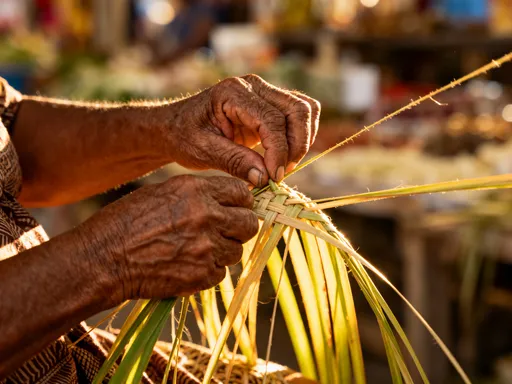
The market also features live demonstrations, where visitors can watch artists at work—grinding natural pigments, weaving fibers, or carving intricate designs into wood. Children are often invited to try their hand at simple crafts, guided by patient artisans. Food stalls offer bush tucker tastings, including lemon myrtle damper, wattleseed cookies, and fresh fruit infused with native spices. The atmosphere is lively yet respectful, filled with the sounds of language, music, and laughter.
From an ethical standpoint, the market supports community-based artistry in a direct and transparent way. Unlike mass-produced souvenirs, every item sold here is authentic and handmade, with proceeds going straight to the artists and their families. This model helps sustain cultural practices that might otherwise fade and empowers Indigenous communities economically. For travelers, it offers a chance to bring home something truly meaningful—not just a memento, but a story. To make the most of the experience, it’s best to arrive early, wear comfortable shoes, and bring cash, as not all vendors accept cards. Most importantly, come with an open heart and a willingness to listen.
Offbeat Studios and Artist Retreats in the Highlands
A short drive inland from Cairns, the landscape shifts from coastal flatlands to rolling hills and misty mountains. This is the Atherton Tablelands, a region renowned for its cool climate, fertile soil, and artistic energy. Towns like Kuranda, Yungaburra, and Malanda are home to a thriving community of artists, potters, woodcarvers, and textile makers who draw inspiration from the surrounding rainforest and waterfalls. Here, creativity is not confined to galleries—it spills into studios, markets, and roadside sheds, inviting visitors to explore at their own pace.
Kuranda, often called the “village in the rainforest,” is a cultural hotspot with a long history of attracting artists and craftspeople. The Kuranda Original Markets, held daily, feature over 200 stalls offering handmade goods, from batik textiles to glassblowing. Many artisans work on-site, allowing visitors to watch the creative process in real time. One potter, working with local clay, explains how each piece is shaped by hand and fired using traditional methods. A woodcarver demonstrates how he uses native timber to create intricate totem poles and animal figures, each imbued with spiritual significance.
Yungaburra, nestled beside Lake Eacham, offers a quieter but equally rich experience. The town’s heritage-listed buildings house small galleries and craft shops, many run by artists themselves. A visit to a local weaving studio reveals baskets made from lawyer cane, a technique preserved by Indigenous women and shared with the broader community. Nearby, a painter’s studio opens its doors on weekends, showcasing landscapes that capture the ethereal light of the Tablelands at dawn. These intimate settings allow for personal conversations, turning a simple viewing into a deeper connection.
Reaching these highland villages is easy by car or public bus, and many tour operators offer guided cultural excursions that include studio visits and lunch at a heritage tea house. A full-day trip allows time to explore multiple locations, enjoy a picnic by a waterfall, and return as the sun sets over the ranges. For those seeking a slower pace, overnight stays in eco-lodges or farm stays provide a chance to immerse in the rhythm of country life. Whether you’re drawn to the tactile beauty of handmade crafts or the quiet inspiration of a rainforest studio, the highlands offer a creative retreat that complements the coastal energy of Cairns.
Why Cultural Exploration Enriches Travel
In an age of fast travel and instant photos, it’s easy to treat destinations as checklists—snorkel the reef, ride the Skyrail, snap a selfie at the lagoon. But the most lasting journeys are those that engage the heart as much as the eye. Cultural exploration invites travelers to slow down, listen, and connect. It transforms a holiday from a series of experiences into a story—one that includes the voices of those who call the place home. In Cairns, this means stepping beyond the brochure and into the spaces where culture lives: in dance, in paint, in woven fibers, and in shared meals.
Visiting cultural venues does more than entertain—it educates and empowers. It fosters empathy by exposing us to worldviews different from our own. It deepens our understanding of history, identity, and resilience. And it reminds us that beauty is not only found in landscapes, but in the human spirit. When you support a local artist, attend a traditional performance, or learn a few words in an Indigenous language, you become part of a larger narrative of preservation and respect.
For families, these experiences offer rich opportunities for intergenerational learning. Children absorb cultural awareness not through textbooks, but through touch, sound, and conversation. For solo travelers and couples, they provide moments of connection that transcend language. And for all, they create memories that are not just seen, but felt. These are the moments that stay with you—the warmth of a handshake, the echo of a song, the pride in a handmade gift.
Ultimately, cultural exploration is an act of mindful travel. It asks us to be present, to listen more than we speak, and to leave with greater appreciation than when we arrived. Cairns, with its blend of natural wonder and cultural depth, offers a perfect canvas for this kind of journey. So the next time you plan a trip to this tropical paradise, go beyond the reef and the rainforest. Seek out the quiet galleries, the evening dances, the hidden murals, and the bustling markets. Let the real spirit of North Queensland guide you. You may come for the scenery, but you’ll leave with a deeper sense of place—and a heart full of stories worth telling.