You Won’t Believe What I Found in Maafushi – A Real Cultural Escape
If you think the Maldives is just overwater villas and Instagram beaches, think again. I went to Maafushi expecting sun and sand – and got so much more. This local island isn’t about luxury resorts; it’s where Maldivian culture lives and breathes. From fishing traditions to handmade crafts, every corner tells a story. This is travel that feels real, not staged. Let me show you the side of paradise most tourists never see.
Arrival & First Impressions: Stepping into Authentic Island Life
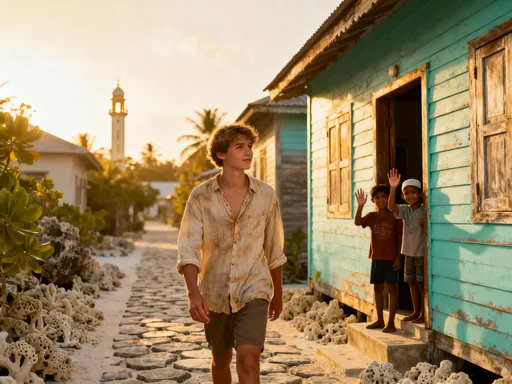
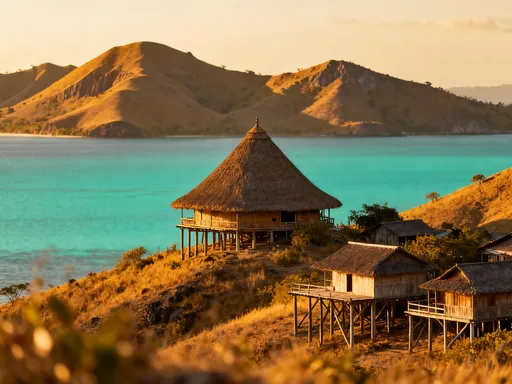
The journey to Maafushi begins in Malé, the bustling capital of the Maldives, where the skyline is a mix of modest high-rises and traditional architecture. From the harbor, a 30-minute speedboat ride cuts across the turquoise waters, offering a dramatic contrast between the resort-lined atolls and the more grounded reality of local island life. As the boat approaches Maafushi, the first thing that stands out is the colorful row of houses lining the shore – bright blues, greens, and pinks that seem to dance in the sunlight. Children wave from the jetty, their laughter blending with the calls of seagulls and the rhythmic lapping of waves against the dock.
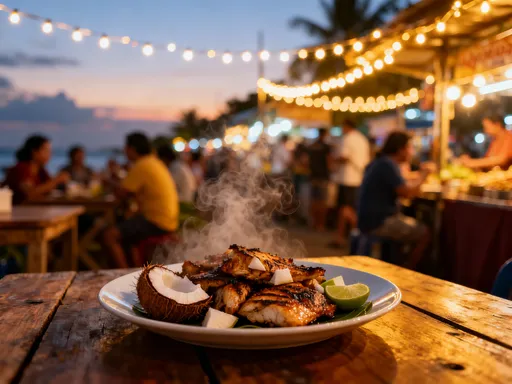
Stepping onto the island feels different from arriving at a resort. There are no bellhops, no welcome drinks, no check-in desks. Instead, you’re met with quiet streets, bicycles leaning against walls, and the scent of grilled tuna wafting from nearby kitchens. The absence of high-end branding is refreshing. This isn’t a curated experience; it’s real life. The shift in mindset happens quickly – you’re not a guest in a luxury bubble, but a visitor in a community that has lived this way for generations. The pace is slower, the interactions more personal, and the environment deeply rooted in tradition.
Maafushi, like many local islands in the Maldives, was opened to tourism in 2009 as part of a government initiative to promote community-based travel. Unlike private resort islands, which are often leased to international operators, local islands like Maafushi remain home to Maldivian families. This means visitors walk on streets where children go to school, fishermen mend their nets, and shopkeepers greet neighbors by name. The experience is immersive, but it comes with a responsibility: to observe with respect, to move quietly, and to remember that this is someone’s home, not a theme park.
For many travelers, this is the first time they’ve encountered the Maldives beyond the glossy brochures. There are no infinity pools or private butlers, but there is something far more valuable – authenticity. The island’s charm lies in its simplicity: the way elders sit under shade trees in the afternoon, the sound of the call to prayer echoing from the mosque, the sight of women weaving mats outside their homes. These moments aren’t staged for tourists; they unfold naturally, offering a rare glimpse into a culture that remains deeply connected to its roots.
Understanding Maldivian Culture: Religion, Language, and Daily Rhythm
At the heart of Maafushi’s identity is Islam, the state religion of the Maldives, which shapes nearly every aspect of daily life. The call to prayer, known as the adhan, rings out five times a day from the island’s central mosque, marking the rhythm of time. This isn’t just a religious practice; it’s a cultural anchor that brings structure and meaning to everyday routines. Visitors quickly learn to recognize these moments – the pause in activity, the quiet reverence, the way locals return home or step into prayer spaces. It’s a reminder that this is not a secular tourist zone, but a living, practicing community.
Dress codes reflect this Islamic influence. While the Maldives welcomes tourists, modesty is expected on local islands. Women are encouraged to cover their shoulders and knees, and men should avoid wearing shorts above the knee. These guidelines aren’t meant to restrict, but to show respect. When travelers dress appropriately, they signal that they understand and honor local customs. It’s a small gesture, but one that opens doors to deeper connection. Locals are more likely to smile, to wave, to engage in conversation when they see that visitors are making an effort to adapt.
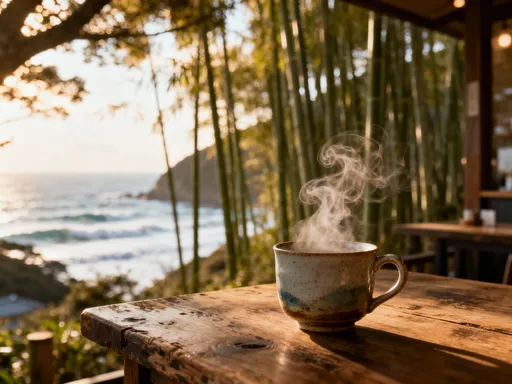
Language is another bridge to understanding. While English is widely spoken, especially among those involved in tourism, learning a few basic Dhivehi phrases goes a long way. Greeting someone with "Assalaamu alaikum" (peace be upon you) is not only polite but warmly received. Responding with "Wa alaikum assalam" completes the exchange with mutual respect. Saying "Shukuriyya" (thank you) when accepting a cup of tea or a meal adds a personal touch. These small words create ripples of goodwill, transforming strangers into friendly faces.
The daily rhythm on Maafushi is shaped by prayer, family, and work – not by check-in times or spa appointments. Fishermen head out at dawn, returning with their catch by mid-morning. Women prepare meals, tend to children, and manage household tasks with quiet efficiency. Shops open late and close early, not out of laziness, but because life here follows a different clock. Time moves with intention, not urgency. For travelers accustomed to fast-paced itineraries, this can be both disorienting and deeply calming. It invites a slower way of being – one that values presence over productivity.
Cultural sensitivity isn’t just about avoiding offense; it enhances the experience. When visitors take time to understand the why behind customs, they begin to see the island not as a backdrop, but as a living culture. They notice the pride in a well-kept home, the care in a hand-prepared meal, the dignity in daily rituals. This awareness fosters empathy, turning a simple trip into a meaningful exchange. It’s not about changing who you are, but about meeting another way of life with openness and humility.
Living Like a Local: Staying in Guesthouses, Not Resorts
One of the most transformative aspects of visiting Maafushi is where you stay. Unlike the secluded luxury of overwater bungalows, guesthouses on the island are integrated into the community. These accommodations are often family-run, converted from private homes into small, welcoming lodgings. Rooms are simple but clean, with fans or air conditioning, private bathrooms, and basic furnishings. What they lack in opulence, they make up for in authenticity. You’re not isolated from the island – you’re part of it.
Staying in a guesthouse means your money goes directly into the local economy. Breakfast might be served on a rooftop terrace where the host family joins you for conversation. You might hear children doing homework in the next room or smell curry simmering in the kitchen. These aren’t staged moments; they’re the real sounds and smells of island life. The owners, often fluent in English, are eager to share stories, recommend hidden spots, and answer questions about their culture. Their hospitality isn’t transactional – it’s personal.
The rise of guesthouses on Maafushi has been a quiet revolution in Maldivian tourism. Before 2009, foreign tourists were restricted to private resorts. Now, with over 100 guesthouses on the island, local families have a sustainable source of income that doesn’t require selling their land or leaving their homes. This model of tourism empowers communities, preserves cultural identity, and offers travelers a more intimate experience. It’s a win-win – guests gain access to real life, and hosts gain financial independence.
Of course, guesthouse stays come with realistic expectations. Rooms may be smaller than resort suites, and amenities more basic. Wi-Fi might be spotty, and hot water limited. But these minor inconveniences are part of the trade-off for authenticity. Travelers who embrace the simplicity often find it liberating. Without the distractions of luxury, they become more attuned to their surroundings – the color of the sky at sunset, the taste of fresh coconut, the sound of laughter from a nearby courtyard. These are the details that stay with you long after you’ve left.
Respectful behavior is essential in shared spaces. Knocking before entering common areas, speaking quietly after dark, and asking permission before photographing people are small acts that show consideration. Many guesthouses have house rules posted in rooms – guidelines on dress, noise, and interaction with neighbors. Following them isn’t just polite; it helps maintain harmony between visitors and residents. When tourists act like guests, not intruders, the island remains welcoming to all.
Taste of Tradition: Eating with the Community
Food is one of the most intimate ways to experience a culture, and in Maafushi, every meal tells a story. Maldivian cuisine is shaped by the sea, the coconut palm, and centuries of trade with India, Sri Lanka, and Arabia. The flavors are simple but rich – fish, coconut, chili, lime, and rice forming the foundation of most dishes. Eating here isn’t about fine dining; it’s about nourishment, family, and tradition.
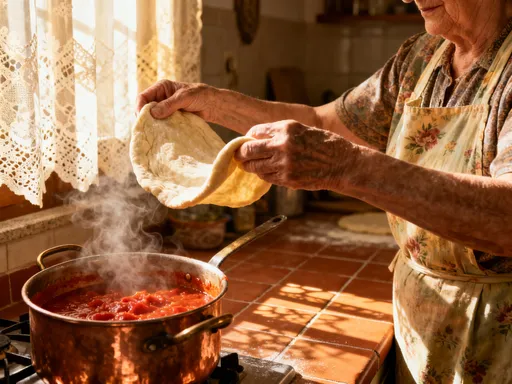
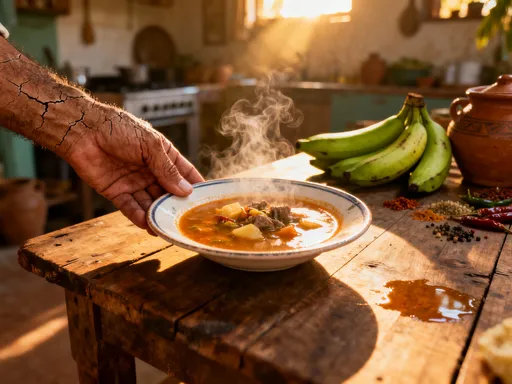
One of the most beloved breakfasts is mas huni, a dish made from shredded smoked tuna, grated coconut, onion, chili, and lime, mixed by hand and served with flatbread called roshi. It’s often eaten on a porch at sunrise, shared among family members before the day begins. The texture is coarse, the taste bold and fresh. Another staple is garudhiya, a clear fish broth served with rice, lime, chili, and onion. It’s simple, restorative, and deeply comforting – the kind of meal that warms you from the inside out.
For lunch or dinner, you might try rihaakuru, a thick fish paste that’s a flavor base for many dishes. It’s an acquired taste, with a strong umami depth, but locals use it like soy sauce – a small amount adds richness to soups and curries. Meals are often accompanied by hedhikaa, a selection of small snacks like fried dough, coconut buns, or spicy fish cakes, perfect with a cup of sweet black tea.
Where you eat matters as much as what you eat. The best meals are found in family-run cafes and local eateries, not tourist-facing restaurants. These places have no menus in English, no Instagrammable decor – just plastic chairs, ceiling fans, and the smell of something delicious cooking. Ordering can be an adventure, especially if you don’t speak Dhivehi, but a smile and pointing at what others are eating usually works. Some guesthouse hosts offer home-cooked dinners, giving visitors a rare chance to eat at a local table, surrounded by stories and laughter.
Dining etiquette is informal but meaningful. Meals are often shared from a central plate, eaten with the right hand (the left is considered unclean). It’s polite to accept food when offered, even if just a small portion. Refusing can be seen as rejecting hospitality. The warmth of shared meals is one of the most touching aspects of Maldivian culture – food isn’t just fuel; it’s connection. Sitting together, passing dishes, talking between bites – these moments build bridges across languages and cultures.
Hands-On Experiences: Connecting Through Craft and Sea
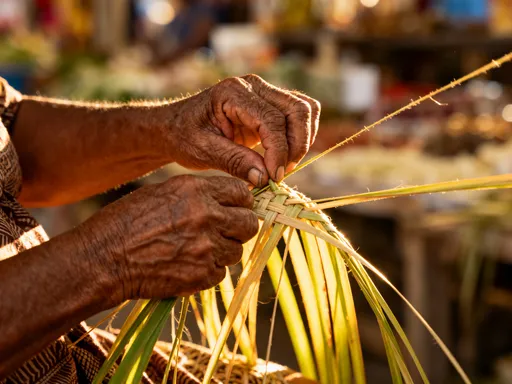
On Maafushi, travelers aren’t just observers – they can become participants. One of the most rewarding ways to connect is through traditional crafts. Mat weaving, using dried palm leaves called raa, is a skill passed down through generations. Women often weave in the shade of their homes, their hands moving quickly and precisely. Visitors can watch, ask questions, and even try a few stitches under guidance. The mats are used for sleeping, sitting, and even as decorative items. Each pattern carries meaning, and the process is meditative, rooted in patience and care.
Another craft is lacquer work, where wooden items like spoons, bowls, and boxes are painted with intricate geometric or floral designs using natural dyes. The colors – red, black, yellow, green – are vibrant and long-lasting. Artisans often welcome visitors to their small workshops, explaining the steps and letting them try simple designs. These experiences aren’t performances for tourists; they’re invitations to engage. When you sit and weave or paint, you’re not just making a souvenir – you’re honoring a tradition.
The sea is equally central to life on Maafushi. Fishing isn’t just an industry; it’s a way of life. Many men still use pole-and-line fishing, a sustainable method that targets tuna without harming other marine life. Travelers can join early-morning trips, learning how to bait hooks, cast lines, and pull in the catch. It’s physical, exciting, and deeply satisfying. Night fishing is another option – sitting on the edge of the boat with a torch, waiting for squid to rise. The darkness, the sound of water, the sudden tug on the line – it’s an experience that stays with you.
These hands-on activities are not about entertainment; they’re about understanding. When you fish with a local, you learn about tides, seasons, and the rhythms of the ocean. When you weave a mat, you appreciate the time and skill behind everyday objects. This kind of tourism – community-based, sustainable, respectful – supports cultural preservation. It gives younger generations a reason to keep traditions alive, knowing there’s interest and value in what they do.
Realistic expectations are important. These experiences aren’t always comfortable or convenient. You might get sunburned, your hands might ache, or the fish might not bite. But that’s part of the authenticity. There are no guarantees, no scripts. What you gain is something deeper – a sense of connection, a story to tell, a memory that feels earned.
Beyond the Beach: Meaningful Activities That Honor the Culture
While Maafushi has beautiful beaches, the real richness lies beyond the shoreline. Walking tours with local guides offer insights no brochure can provide. A guide might point to a house and say, "My grandmother lived there," or explain how the island’s freshwater lens works beneath the sand. These personal stories transform the landscape from scenery into history. Guides often share childhood memories, family traditions, and hopes for the future, making the tour not just educational, but deeply human.
Visiting the island school or community center, when permitted, is another powerful experience. Seeing children in uniform, reciting lessons, or playing games offers a glimpse into the next generation’s life. Some guesthouses arrange visits where travelers can donate books or supplies, but always with permission and coordination. The goal isn’t to perform charity, but to support education in a respectful way. When done right, these interactions foster mutual respect, not pity.
Understanding boundaries is crucial. While some areas are open to visitors, others are private – homes, mosques, family compounds. It’s important to ask before entering or photographing. Locals appreciate when tourists show restraint and curiosity without intrusion. Respecting these spaces ensures that tourism remains welcome and sustainable.
Responsible tourism on Maafushi isn’t about doing grand things; it’s about small, consistent choices. Choosing a local guide over a foreign-operated tour, buying crafts directly from artisans, eating at family-run cafes – these actions support the community. They help preserve heritage by making tradition economically viable. When culture becomes a source of pride and income, it’s more likely to survive.
Why Maafushi Changes How You See the Maldives – And Travel Itself
Maafushi doesn’t just offer a different view of the Maldives; it challenges the very idea of what travel should be. In a world where destinations are often reduced to photo opportunities and luxury experiences, Maafushi reminds us that the deepest connections come from presence, not perfection. It’s not about capturing the perfect sunset on Instagram, but about sharing a meal with a family who invites you in. It’s not about isolation, but about integration.
The contrast with resort islands is striking. Resorts are beautiful, yes, but they’re bubbles – self-contained, imported, and often disconnected from the country they’re in. Maafushi, on the other hand, is rooted. You feel the pulse of daily life, hear the language, taste the food, and see the challenges and joys of real people. This kind of travel doesn’t just entertain; it transforms. It shifts your perspective from consumer to participant, from observer to guest.
Cultural exchange, not cultural consumption, is the heart of this experience. When you learn a greeting, try a craft, or join a fishing trip, you’re not taking something – you’re building something. A smile, a shared laugh, a moment of understanding – these are the real souvenirs. They don’t fit in a suitcase, but they stay with you forever.
For travelers, especially women in their 30s to 50s who value connection, meaning, and authenticity, Maafushi offers something rare. It’s not about adrenaline or extravagance; it’s about depth. It’s about returning home with stories that matter, not just photos. It’s about remembering that travel can be gentle, respectful, and profoundly human.
So let Maafushi be your inspiration. Seek not just paradise, but purpose. Look beyond the postcard and into the heart of a community. Because the most beautiful destinations aren’t just places – they’re people. And sometimes, the most unforgettable journeys begin not with a flight, but with a simple greeting: Assalaamu alaikum.